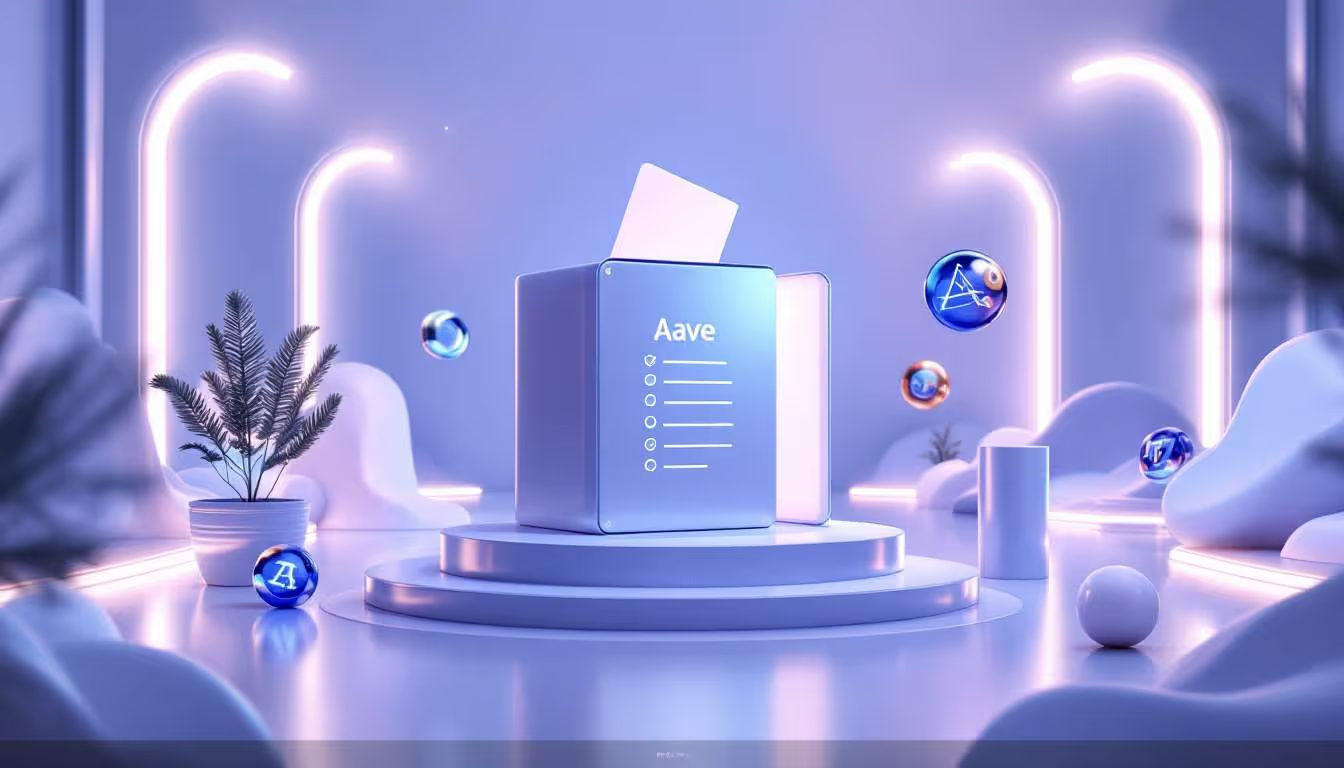
Aave is in the hot seat right now. The recent vote to transfer control of its brand and IP to the DAO went down in flames. And oh boy, did that stir the pot. Stani, the founder, is now saying it might be time to pivot towards real-world assets (RWAs) and institutional lending. It’s a wild ride, and I figured it’s worth unpacking what this could mean for DeFi as a whole.
What's Happening at Aave?
The failed governance vote has exposed some deep rifts in the Aave community. The vote was met with backlash, especially after Stani bought a hefty amount of AAVE tokens. The community is rightfully worried about the potential for centralization. It’s a real eye-opener about how governance needs to be more transparent and inclusive. MakerDAO has been through similar chaos, so Aave isn't alone in this mess.
Is RWA the Future?
Stani’s call to focus on RWAs isn't just a random thought. The market for RWAs is estimated at a mind-boggling $500 trillion, which could be a treasure trove for Aave. Integrating RWAs could diversify Aave’s offerings and attract a broader user base. But here's the kicker: We’ve seen RWAs before, and they come with their own set of risks.
Payroll and Decentralization
The idea of decentralized payroll tools is definitely appealing. If Aave can integrate a crypto payments platform for payroll, it could make life easier for businesses looking to enter the crypto space. The rise of crypto payroll solutions isn't just a passing trend; it could become a cornerstone for many Web3 corporate banking initiatives.
Regulatory Hurdles
But let’s not forget the regulatory landscape. With new compliance requirements coming in from the EU’s MiCA and the US GENIUS Act, Aave is going to have to play by the rules. While this can be a pain in the ass in the short term, it could open the doors for institutional players. The irony is not lost on me.
Summary: Learning from the Crisis
This Aave governance crisis is a wake-up call. The DeFi space is not just a Wild West anymore; it’s evolving. The potential for RWAs and decentralized payroll tools could be a new frontier, but it’s not without its challenges. Aave will have to adapt to these changes, or risk becoming irrelevant.