What changes is Bitcoin bringing to the art market?
Bitcoin is causing a stir in the art market, changing not only how art is collected but also how it is valued. With its increasing adoption, Bitcoin is redefining cultural landscapes alongside financial systems. A new breed of collector is emerging, primarily tech entrepreneurs and cryptocurrency investors, who are attracted to different forms of art, especially digital artworks. They lean toward NFTs that allow shared ownership and collective creativity rather than insisting on singular ownership.
The influence of Bitcoin in the art realm is forcing the traditional market to rethink its valuation principles. Whereas traditional collectors often treasure physical, unique pieces, this new group finds value in digital formats verified by blockchain technology. The disparity in access and understanding this technology might create a divide, excluding less tech-savvy individuals from accessing high-value digital art.
Moreover, the characteristics of Bitcoin itself—its scarcity and permanence—add depth to this divide. As the art market evolves, the intersection of technology, scarcity, and various ownership models is drawing a distinct class of collectors who place a premium on these attributes.
How are Bitcoin-native exhibitions changing the landscape?
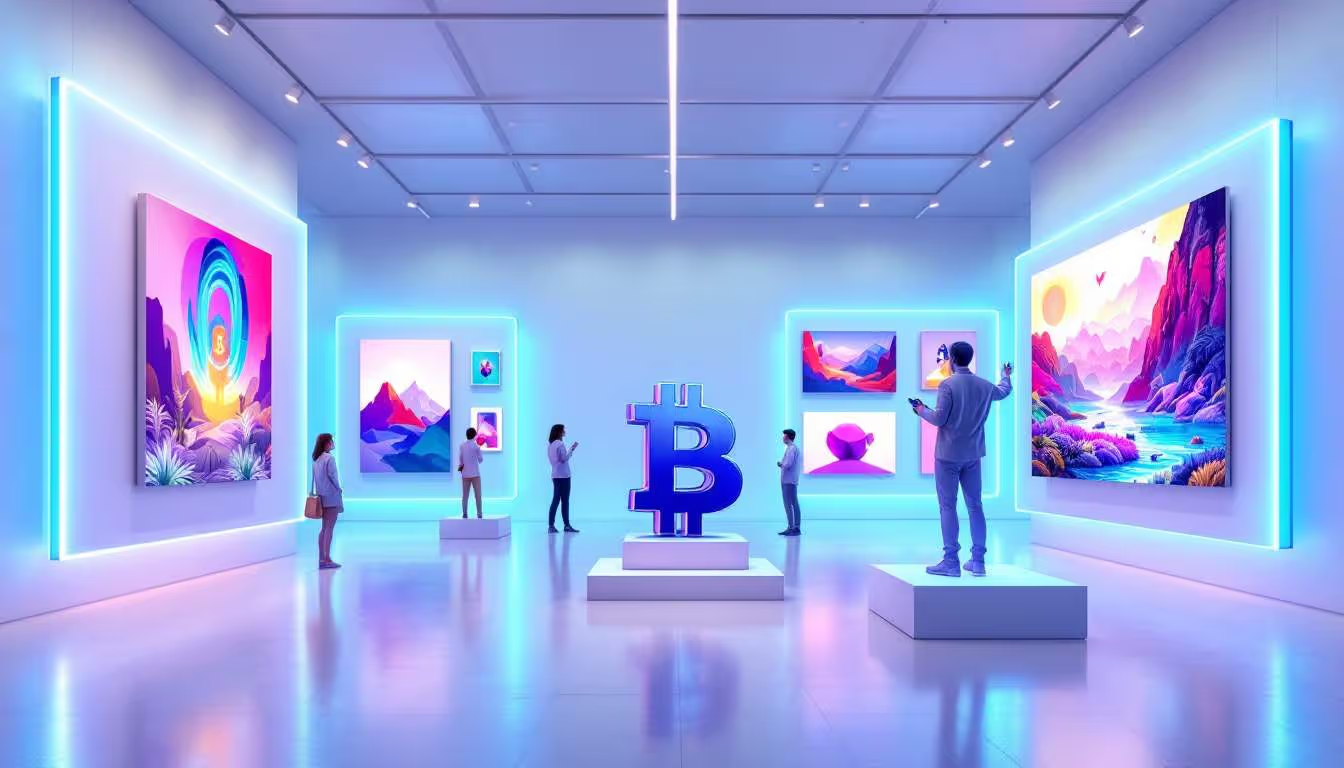
Bitcoin-native exhibitions are paving the way towards a new future for art collecting, focusing on transparency, sovereignty, and the valuation of creative energy directly in Bitcoin. These exhibitions feature a combination of physical and digital creations with every transaction conducted only in Bitcoin, deliberately avoiding traditional currency systems and conventional art market gatekeepers.
Take, for example, the Bitcoin Asia exhibition held in Hong Kong. It showcases physical and digital works that delve into the concepts of value, code, and ownership on a scale akin to a museum. This kind of event reflects a rising interest among Bitcoin enthusiasts in collecting art that resonates with the narratives of their culture.
Auction houses are also beginning to adapt. Sotheby’s, for instance, has auctioned Bitcoin-minted digital art, achieving notable sales and gaining access to an expanding number of Bitcoin collectors. This shift not only redefines how art is valued but also promotes inclusivity for both artists and collectors.
New cultural iconography is emerging centered around decentralized value systems and reduced reliance on conventional financial institutions. As the art space continues to develop, Bitcoin-native exhibitions are reimagining value in this open-source world.
What potential risks come with cryptocurrency in the art market?
Integrating cryptocurrency into the art market isn't without its risks, presenting legal, financial, ethical, and environmental challenges that participants must be prepared to face.
-
Legal and Intellectual Property Challenges: The advent of NFTs opens up a Pandora's box of copyright issues. Questions about authenticity arise, with potential implications on the financial well-being of original artists.
-
Market Volatility and Financial Risks: Crypto assets' volatile nature can lead to erratic price movements for artworks, creating uncertainties for consumers, auctioneers, and sellers.
-
Regulatory Environment and Tax Compliance: Art transactions involving crypto often grapple with unclear regulation, complicating tax obligations and potentially leaving stakeholders exposed to future liabilities.
-
Fraud and Authentication Concerns: Despite the transparent nature of blockchain, incidents of digital art theft and hacking are rampant. Authenticating digital artworks introduces a complex layer of difficulty.
-
Ethical and Market Value Discrepancies: The popularity of competing digital formats can shift the criteria for valuing art toward scarcity and online appeal, challenging established market notions of value.
-
Environmental Implications: The carbon footprint associated with blockchain technology raises ethical questions for those in the art community.
To summarize, while the entry of cryptocurrency provides liquidity and accessibility to art, serious risks must be adeptly managed.
How does cultural diplomacy play a role in crypto art's acceptance?
Cultural diplomacy will be essential in normalizing the use of cryptocurrency in the global art sector. By creating digital cultural connections and encouraging engagement through NFTs, these institutions can introduce new demographics to cryptocurrency and digital art.
Cultural diplomacy organizes ministries, foreign embassies, and museums to showcase ancient cultural artefacts as NFTs, which can stimulate conversation and engagement on social media platforms, and build new networking opportunities. This method helps democratize art access, allowing diverse creators to showcase their works in various countries without conventional barriers.
Moreover, cultural diplomacy utilizes NFTs to enhance cross-cultural dialogue. Institutions adopting this strategy can lend credibility to cryptocurrency's place in the art world.
As cultural diplomacy expands, it will be vital to acceptance and integration of cryptocurrency technologies into global cultural institutions.
What lies ahead for Bitcoin in the art world?
The outlook for Bitcoin in the art sector suggests a dynamic and evolving landscape. The ongoing rise of digital platforms and increasing popularity of Bitcoin-exclusive exhibitions indicates an imminent shift toward innovative ownership models and new valuation techniques.
Fractional ownership enabled by blockchain could broaden access to art, which would further challenge traditional exclusivity. This trend may enhance the inclusivity of the art ecosystem and amplify diverse narratives.
As laws governing cryptocurrency also continue to adapt, participants must stay agile to meet emerging regulatory frameworks. This adaptability will prove crucial for maintaining and fostering the growth of Bitcoin in the art market.
In essence, Bitcoin is much more than a financial tool—it is a transformative force reshaping how we perceive and value art. As the art market continues to evolve, the intersection of cryptocurrency will redefine the collector landscape, fostering new challenges and opportunities for artists, collectors, and institutions alike.