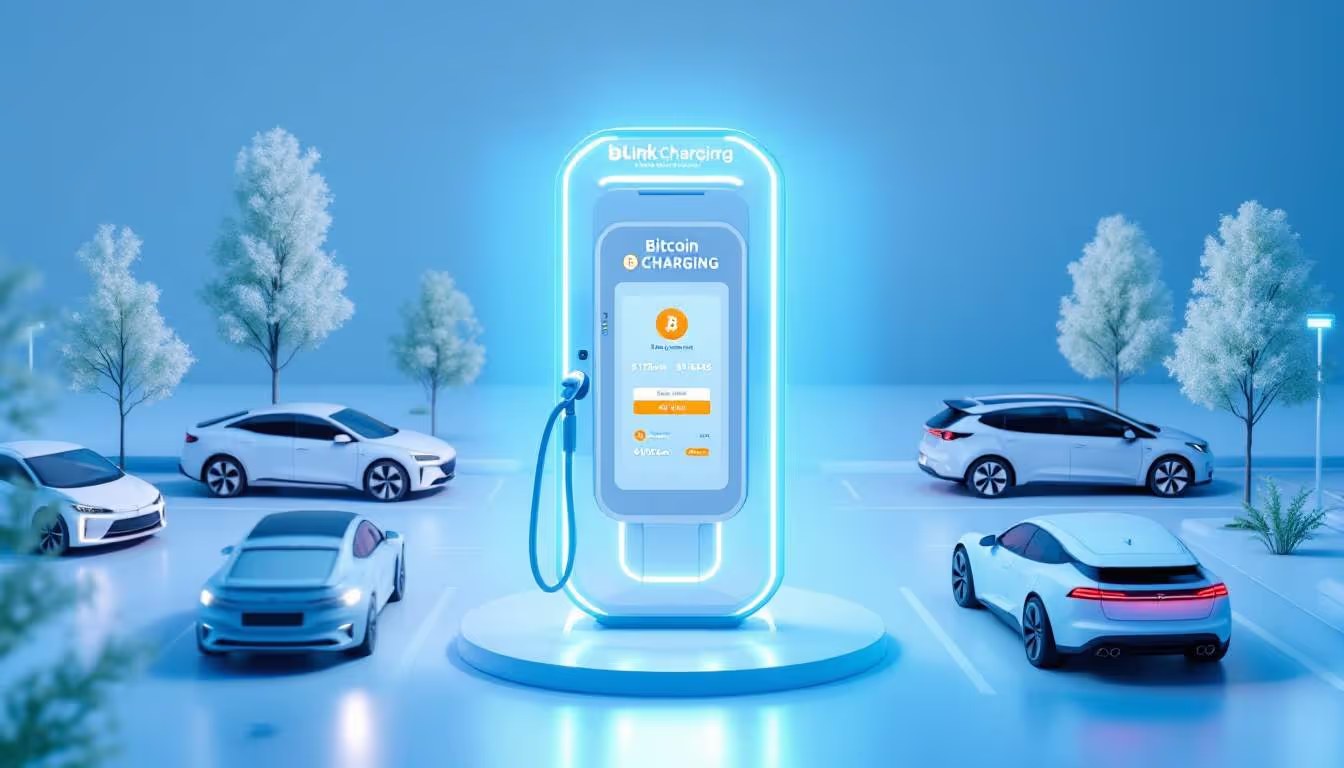
What is Blink Charging's plan for Bitcoin integration?
The company Blink Charging Co. is preparing to introduce Bitcoin payments at its more than 90,000 electric vehicle (EV) charging stations by 2025's conclusion. This initiative aims to offer drivers more ways to pay for charging services, allowing them to use Bitcoin via the Blink Charging App. This integration marks a significant step in merging the worlds of cryptocurrency and transportation, potentially changing how consumers approach payment options and accelerating cryptocurrency's acceptance.
According to Harmeet Singh, Blink's Chief Technology Officer, both EV adoption and cryptocurrency are transformative movements within the industry. Integrating Bitcoin payments not only caters to savvy users but also positions Blink as a connector between digital finance and energy markets. This addition is expected to enhance convenience and potential savings for users, aligning with the trend of infusing digital assets into daily transactions.
How will this integration affect traditional payment methods?
The incorporation of Bitcoin payments will likely redefine the traditional payment landscape for EV drivers. Offering an alternative to the usual credit cards or mobile payments broadens the choices available to consumers. This could entice a new segment of tech-savvy users who prefer using digital currencies.
In addition, using cryptocurrency can expedite transactions, enhancing efficiency and security. With digital wallets and QR codes, users may navigate the payment process more smoothly. Furthermore, the lower transaction fees often associated with cryptocurrency platforms might benefit both Blink and its customers, incentivizing the use of this payment method.
Yet, this shift may challenge conventional payment methods' dominance. Some users unfamiliar with cryptocurrencies may be excluded from the new payment method, engendering a divide between those accustomed to tech and those inclined towards traditional finance. Managing this transition while ensuring all users feel included will be crucial for Blink.
What lessons can be learned from past cryptocurrency integrations?
Blink Charging can glean insights from previous cryptocurrency integration attempts. One important lesson is to implement real-time crypto-to-fiat conversions. For example, one mobile app developed in Israel enables payment through crypto while ensuring that merchants receive fiat instantly, addressing concerns about fluctuating cryptocurrency values.
Compliance with regulations and incorporating banking into the process is also vital for establishing trust and ensuring operations remain legal. Partnering with existing financial service suppliers can create a bridge between cryptocurrency and traditional finance, facilitating the conversion process for users. Established companies like Green Dot have successfully executed this strategy.
Creating a user-friendly environment is essential to fostering acceptance. Solutions that seamlessly include crypto payments within familiar platforms can enhance accessibility. Targeting communities receptive to technology, such as EV drivers, who are early adopters by nature, could elevate the initiative's reach.
Strategic partnerships can also amplify adoption, accelerating infrastructure development. Collaborations between crypto platforms and financial organizations can enhance the overall user experience.
What are the potential risks of alienating non-tech-savvy consumers?
While cryptocurrency payments in the EV sector offer various benefits, they also bring risks for less tech-savvy consumers. A major concern is potential financial loss due to the price volatility of cryptocurrencies. Many consumers may be unaware of the risks associated with using digital currencies, which can result in losses when making high-value purchases like EV charging.
Moreover, the crypto ecosystem has faced numerous issues, including fraud and security threats, putting those less familiar with digital security practices at a disadvantage. Non-tech-savvy consumers could be more susceptible to scams and cyberattacks, raising questions about their safety when using cryptocurrency for payments.
Additionally, more widespread crypto payment adoption could alienate individuals unfamiliar with or disenchanted by digital currencies. This could slow EV adoption among broader demographics, particularly those who prefer traditional payment methods.
To minimize these risks, it is crucial for Blink Charging to offer sufficient consumer education and maintain alternative payment options. Ensuring that users feel confident and knowledgeable about their payment choices will be vital for creating a positive experience and encouraging EV proliferation.
Can this integration drive broader cryptocurrency adoption?
Bitcoin at Blink Charging stations could catalyze more extensive cryptocurrency acceptance. By providing a tangible application of digital currencies, Blink Charging may help normalize their use for consumers, particularly in tech-savvy groups.
With businesses like Microsoft and Starbucks accepting crypto payments, the road to mainstream acceptance is increasingly visible. Global crypto ownership is predicted to surge to 12.4% by 2025, with mobile wallet installations linked to crypto platforms increasing drastically. This growth suggests an expanding user base and a wider utility for cryptocurrencies beyond speculation.
Though, substantial obstacles remain that could limit this integration's influence. Cryptocurrency price volatility, regulatory ambiguity, and the need for user education are hurdles that must be tackled to promote mass adoption. While blockchain technology and clear regulations might facilitate broader acceptance, how and when this will occur is still uncertain.
In conclusion, Blink Charging's initiative to implement Bitcoin payments at charging stations could be a pivotal step toward broader cryptocurrency acceptance. By providing real-world applications and targeting the expanding EV market, this integration could alter consumer behavior. Yet, overcoming volatility, regulatory uncertainties, and fostering consumer trust will be paramount to realizing the full potential of cryptocurrencies in everyday transactions.