
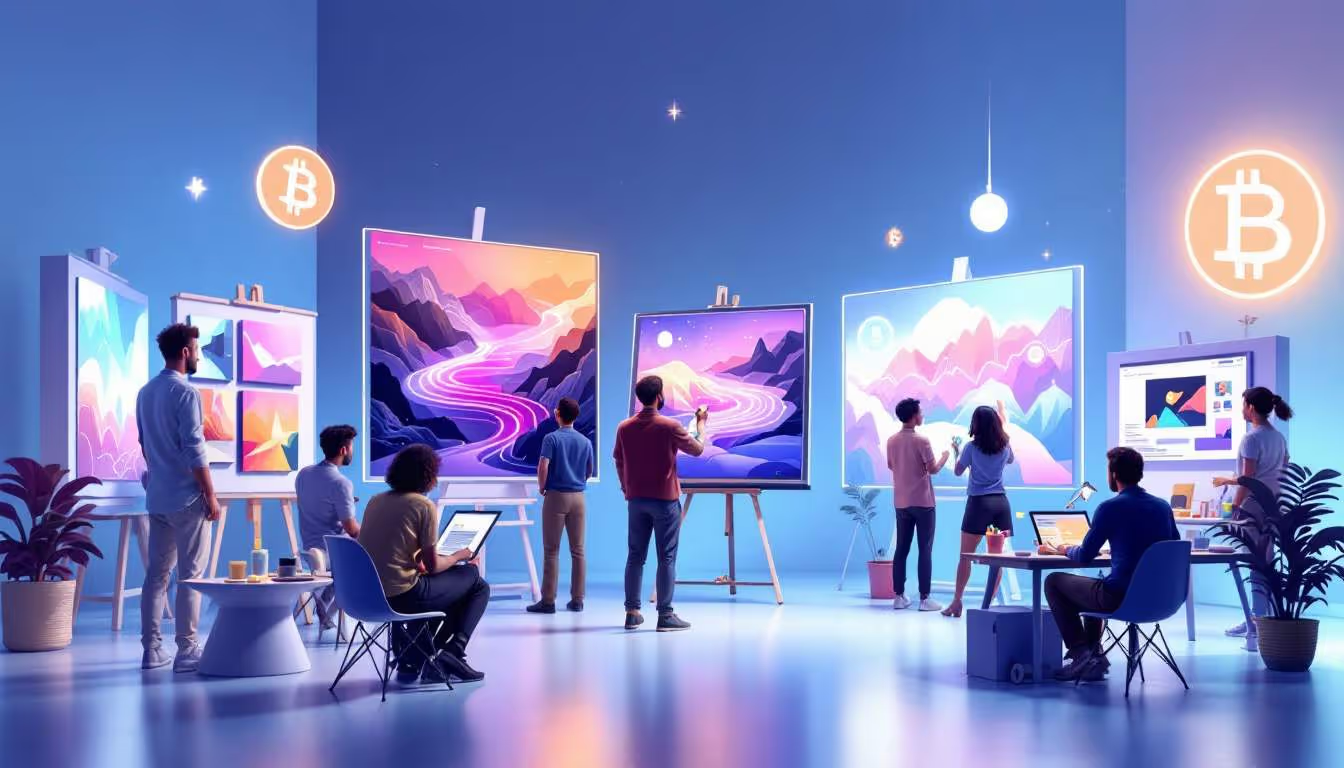
In a time when traditional art ownership is often criticized for being elitist, blockchain technology presents a way forward. This post is about how NFTs transcend being mere digital collectibles; they offer a means for artists, particularly those from marginalized backgrounds, to reclaim their narratives and find an audience on a global scale. The art scene is evolving, and the role of blockchain in that change deserves a closer look.
A New Era of Digital Art
Blockchain has radically changed the digital art scene, providing crucial opportunities for both artists and collectors. With this tech, artists can prove the authenticity and ownership of their works without needing to rely on traditional gatekeepers. For many, this is a game changer. Artists gain visibility and can cultivate financial support directly from their audiences.
What NFTs Bring to the Table
NFTs (Non-Fungible Tokens) address a longstanding issue for digital art: the difficulty of proving authenticity and scarcity in a medium where copying is all too easy. Blockchain allows for permanent and verifiable ownership records, effectively eliminating forgery concerns. Creating an artist’s own smart contracts means they can maintain a direct relationship with their audience, bypassing traditional intermediaries. That relationship is further solidified by transparent proof of ownership that works across various marketplaces and virtual spaces.
Enter the Crypto-Native Collector
Interestingly, a new kind of collector has emerged: the crypto-native. They first encountered art through blockchain rather than galleries, and their tastes differ. They often look beyond traditional collecting interests to aspects like historical significance and technical innovations. Their integration into the classic art market isn’t just a shift; it’s a new chapter, bringing with it a new class of collectors whose spending power is on the rise. This is reshaping how art is conceived and valued.
At Last, Cultural Heritage Can Shine
Blockchain’s potential is especially promising for artists and creators from underrepresented regions. They can document their cultural stories and practices while directly accessing global audiences. For a long time, geographical and institutional hurdles prevented many from participating in the art world. Now, these artists can monetize their cultural work while controlling how it’s shared and shown. This is a significant step toward inclusivity and success in the arts, free from the constraints of traditional hierarchies.
Supporting Art in the Crypto Age
Recently, innovative patronage models have emerged, moving beyond simple collecting. Organizations are developing on-chain curation and education models, connecting artists with institutional resources. Museums are forming advisory panels that tie together traditional and blockchain art scenes. Dedicated DAOs are contextualizing digital art within broader cultural narratives. Community support is vital in this new environment, as established artists share their insights and resources with emerging talent.
The Decentralization of Art Ownership
The entry of blockchain into the art world is a challenge to existing cultural narratives and hierarchies. It shifts control away from a select few, allowing artists greater agency. This democratization of cultural production and ownership is evident in blockchain-based DAOs. Blockchain provides secure and transparent records of ownership and provenance, addressing issues like copyright and authenticity. This empowerment is crucial in reducing the marginalization of original creators and the monopoly of traditional intermediaries.
Summary: The Future of Art in a Blockchain-Driven World
The influence of blockchain on the art world is becoming increasingly clear. By creating new communities of collectors and empowering marginalized artists, blockchain is changing the dynamics of art ownership. What does the future hold? It's likely to be a landscape that is more inclusive, transparent, and accessible, fostering a rich tapestry of creativity. As these changes unfold, the art world will continue to redefine itself, offering fresh avenues for expression and engagement.


