As the financial world shifts, tokenized stocks are stepping into the limelight, making equity markets more accessible and changing how investors interact with traditional assets. This article takes a look at what tokenized equities mean for the future, from improved market access to ethical concerns around investor protection.
What Are Tokenized Stocks?
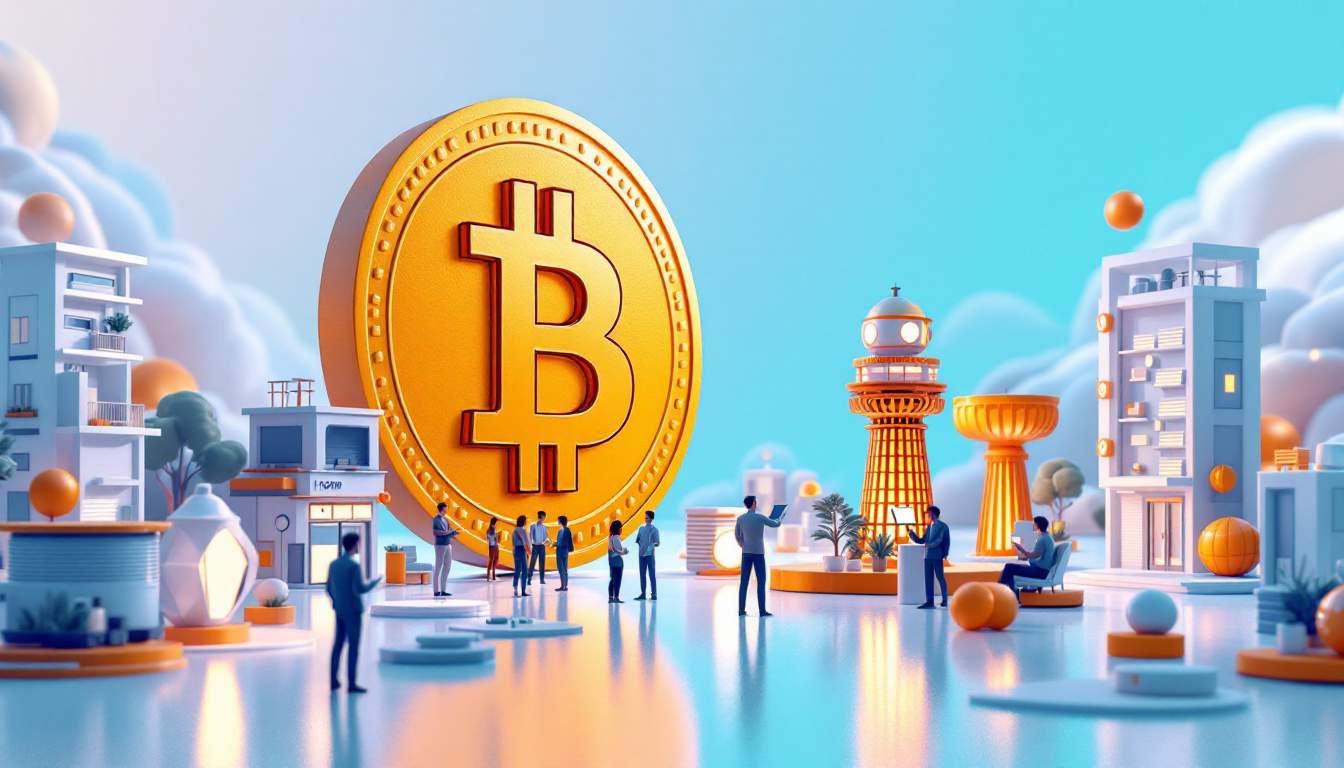
What are we talking about when we mention tokenized stocks? Basically, they’re shares of real-world companies represented on the blockchain. This means fractional ownership and trading around the clock. As global crypto business banking becomes a thing, this new method of investing in equities is catching on. Tokenized stocks let investors dip their toes into traditional markets flexibly and accessibly.
The Ethics of Investor Protection
When it comes to tokenized markets, investor protection is a big deal. Transparency is everything because many of these tokenized stocks don't come with the usual perks like voting rights or dividends. Investors need to know exactly what they’re getting into and what these tokens can’t do. Clarity in legal status and regulations is crucial to protect investors and keep market integrity intact.
Regulatory Hurdles for SMEs in Europe
For European SMEs wanting to jump on the crypto bandwagon, the regulatory landscape can be daunting. With evolving regulations like the Markets in Crypto-Assets (MiCA) framework, compliance can feel like climbing a mountain for smaller businesses. There's a lot of legal gray areas and market fragmentation that make adopting tokenized equities a headache. More straightforward rules and investor protections are essential for smoothing this path.
What Tokenized Stocks Mean for Traditional Markets
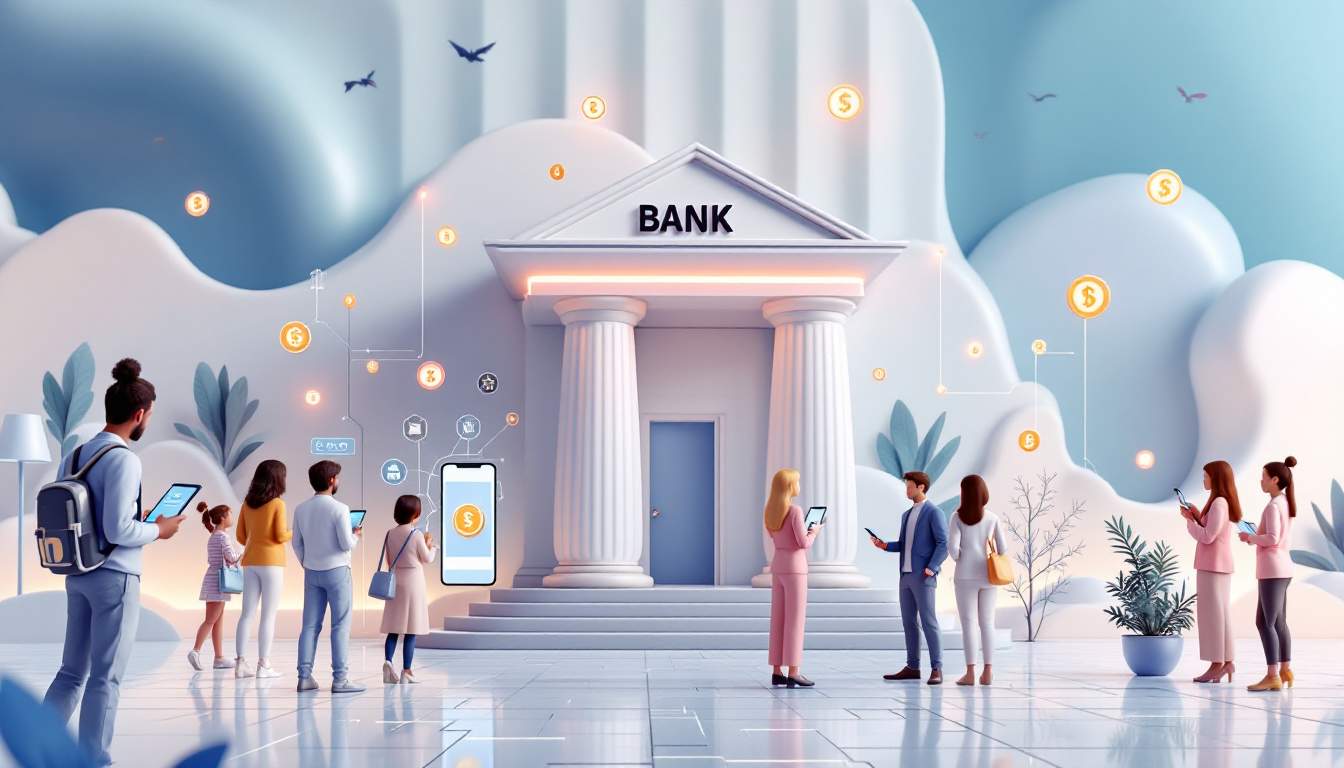
Tokenized stocks are expected to shake things up in traditional equity markets by making them more accessible. With fractional shares up for grabs, retail investors around the globe can now play in equity markets they couldn’t previously touch. This makes investing more inclusive, especially with crypto-friendly payroll platforms and stablecoin business integration coming into play.
Not to mention, the ability to trade continuously allows investors to respond instantly to global happenings, which could make the markets more efficient and change how investors behave. As big financial institutions pour money into tokenization infrastructure, these digital assets are inching closer to mainstream acceptance, setting the stage for new investment products and distribution methods.
Weighing Risks Against Benefits
Tokenized stocks come with a lot of benefits—like trading whenever you want, quicker settlements through smart contracts, and worldwide access. But don’t forget the risks. The lack of traditional ownership rights can cause confusion over what investors are entitled to, and regulatory uncertainty can leave investors in a lurch. Plus, there are technical risks tied to smart contracts and blockchain weaknesses that could end up costing money or causing operations to stall.
Investors need to think critically about all this and keep an eye on the changing legal and technical landscape before they see tokenized stocks as a safer bet than traditional equities. Sure, they offer better access and speed, but at what cost?
In Conclusion: Tokenized Equities' Future
Tokenized stocks are ready to change the equity market game, with features that could enhance both access and efficiency. However, getting there will require addressing ethical questions, regulatory roadblocks, and investor protection needs. The landscape is always changing, and with crypto-native business tools and stablecoin treasury management in the mix, the future of tokenized equities is still being shaped.
In the end, tokenized stocks could open the door to more people in the market, boost liquidity, and bring exciting new financial options. By focusing on investor protection and regulatory clarity, the financial world can use tokenization to create a more inclusive and vibrant investment atmosphere.