Token burns in the cryptocurrency space are like a double-edged sword. On one hand, they can make a currency more scarce and potentially increase the value of what's left. On the other, they can also raise eyebrows about market manipulation and investor trust. Projects like EverGrow have shown us that buyback and burn strategies can tell investors, "Hey, we're stable and confident!" But these strategies also come with risks, like creating artificial scarcity or lacking transparency. So, let's dive into how token burns work, what buyback programs mean, and how they play into investor sentiment and market dynamics.
What's the Deal with Token Burns?
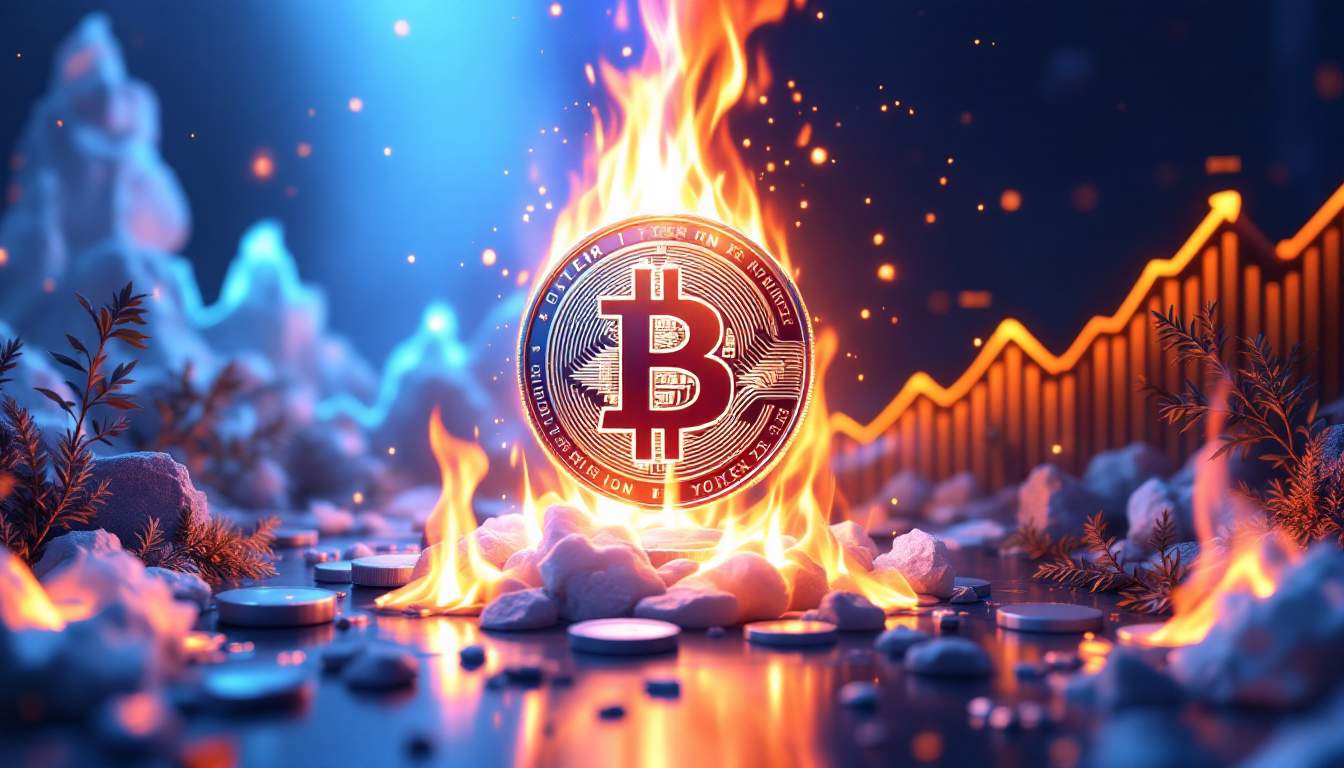
Token burns are pretty straightforward: they take tokens out of circulation, basically making the remaining supply smaller. The idea is simple enough—less supply could mean more demand, and in theory, higher prices. But not every token burn works out as planned; it really depends on how and why it's done.
We've seen projects use token burns to ramp up their market presence. EverGrow, for instance, has used strategic buybacks and burns to give investors a sense of confidence and even stabilize prices. But, keep in mind, not all burns are created equal. Some might involve tokens that were never in circulation in the first place, meaning they wouldn't affect market dynamics anyway.
The Rise of Buyback Programs in Crypto Banking
Buyback programs are becoming more popular in crypto as a way to manage supply and build investor trust. Basically, a project buys back its own tokens from the market, usually followed by a burn. So not only are they reducing supply, but they're also saying, "We're all in on this; we want the value to go up."
Take MultiBank Group: their recent buyback and burn program removed 4,860,000 $MBG tokens from circulation. Programs like this aim to enhance liquidity and bring in more investors, boosting market position.
Risks of Market Manipulation in Tokenomics
Buyback programs sound great, but they have their own risks. Some projects might exploit the concept of scarcity to whip up hype around burn events, causing temporary price spikes that don’t really reflect the project’s true worth. This can mislead investors and create instability.
Plus, too many poorly executed token burns can lead to wild price swings, which might scare off investors and attract regulatory scrutiny. Transparency matters; if projects are not clear about their actions, they risk losing community trust. Investors should be smart and look into the context of token burn announcements.
Investor Trust and Transparency in Crypto Assets
Trust is crucial in crypto, and transparency is key to building that trust. When buybacks and burns are done transparently, preferably through smart contracts that everyone can see, then investors feel more secure about the project. This helps alleviate concerns of manipulation and shows that the project is committed to its community.
Regular buybacks and burns linked to actual revenue or usage also serve to prove that the project is still performing. This can boost investor confidence and encourage long-term holding, which is good for stabilizing prices.
But projects should tread carefully. If buybacks and burns look like a cash grab or lack transparency, they can backfire. Investors are getting smarter and demand accountability.
Summary: The Future of Token Burns
In conclusion, token burns and buyback programs can significantly affect the value of crypto assets, but they come with their own risks. They can boost scarcity and trust, but also bring market manipulation and transparency issues. As crypto continues to change, projects must communicate clearly and engage genuinely with their communities to navigate the complexities of tokenomics.
Looking ahead, incorporating token burns into broader financial strategies, like crypto treasury management and Web3 banking, will likely shape the next phase of cryptocurrency development. Understanding these mechanisms will help both investors and projects better navigate this dynamic market.