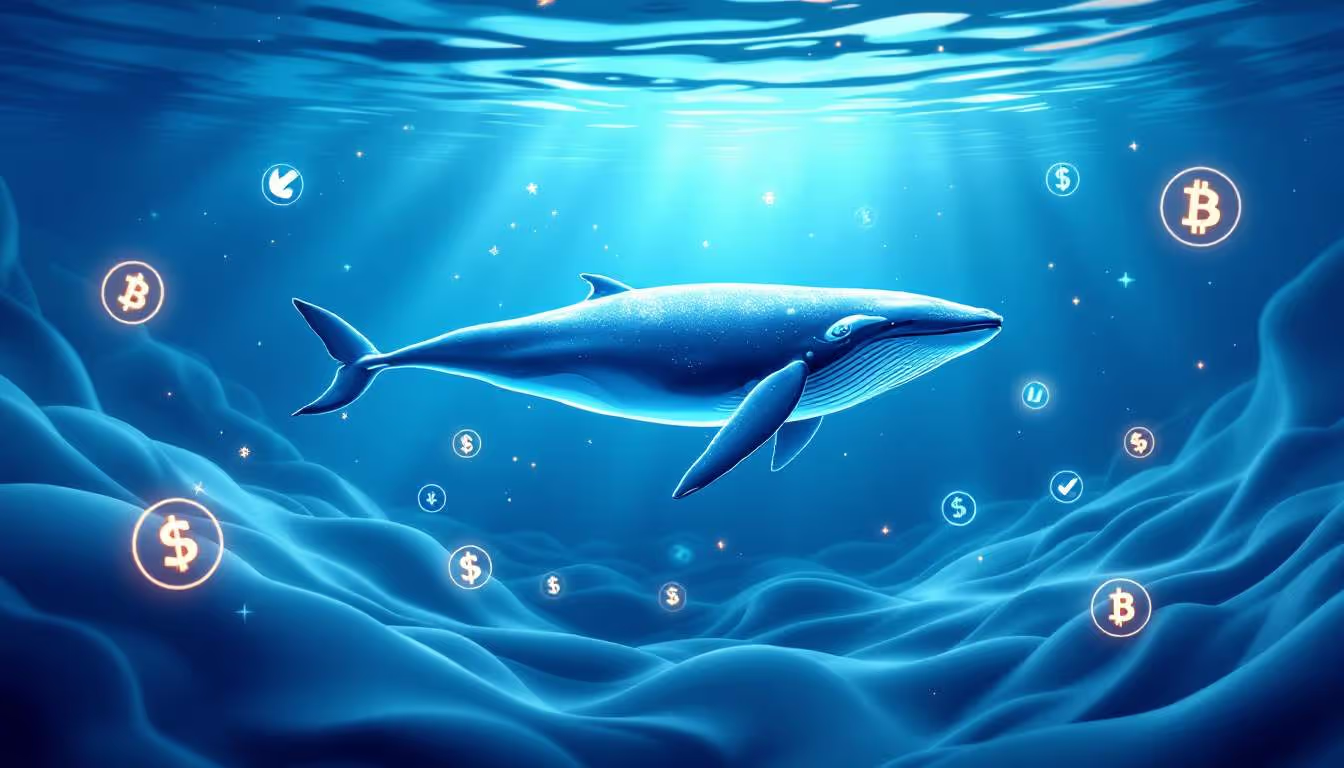
In the world of cryptocurrency, whales—those who control a large amount of digital assets—have the power to sway market dynamics significantly. Recently, there was an interesting event where a whale bought PEPE tokens, which has led to a lot of chatter about the future of the token. Let’s take a closer look at how whale transactions can affect PEPE's price swings, liquidity, and overall sentiment in the market.
The Influence of Whales on Crypto Markets
Whales can really make or break things in the crypto ecosystem. Their buying and selling can dictate the market's direction. When a whale buys a large amount of a token like PEPE, it can signal confidence, pulling in more investors and potentially pushing prices up. But if they decide to sell, it can send smaller investors into a panic, leading to a sharp drop in price.
Volatility and Market Sentiment: The PEPE Example
Let’s take a recent transaction as an example. A whale spent $4.5 million in USDT to snag 349.02 billion PEPE tokens. This one purchase was enough to boost PEPE's trading volume and market price, suggesting that the whale is confident in the token’s potential value. Historically, such large purchases have led to temporary market rallies, as they tend to increase trading volume and prices.
But then again, the volatility that comes with whale transactions can create a rollercoaster of price changes. If a whale suddenly sells off, it could overwhelm the market with tokens and send prices tumbling. This push and pull of whale influence shows how critical it is for investors to keep an eye on whale activity.
Liquidity Effects of Whale Transactions on PEPE
Whales also have a big impact on market liquidity. When they buy up tokens, they decrease the circulating supply, leading to scarcity that could drive prices higher. Conversely, if they decide to offload their tokens, it can create excess supply in the market, leading to lower prices. The recent whale purchase may have temporarily improved PEPE’s liquidity, but the long-term effects will hinge on what the whales do next.
Regulatory Measures to Mitigate Risks in Crypto Payments
To prevent whale transactions from compromising market integrity, there are regulatory measures that could help. Increasing transparency is vital; authorities could require large holders to disclose their assets and transactions. Keeping an eye on both on-chain and off-chain transactions could help catch suspicious activity.
Anti-market manipulation measures, such as better surveillance and stricter penalties, would also help keep things fair. And, of course, compliance with AML and KYC regulations is essential to prevent illicit activities that could shake things up.
Strategic Management for Investors: Navigating Whale Activity
Investors can also take steps to manage the risks tied to whale activity. Diversifying portfolios reduces the risk tied to any single asset that could be influenced by a whale. Using risk management tools such as stop-loss orders can protect against sudden price movements.
Keeping tabs on on-chain whale activity signals and market sentiment indicators can provide valuable insights and help investors anticipate potential volatility.
Summary: Future Outlook for PEPE and Whale Transactions
In conclusion, whale transactions play a significant role in the dynamics of low-market-cap tokens like PEPE. Whale accumulation can support price stability, but large sell-offs can lead to severe volatility. Understanding how whale activity affects the market is essential for investors looking to navigate this complex environment. By employing strategic asset management and keeping up with regulatory changes, investors can better position themselves to take advantage of the opportunities presented by whale transactions.