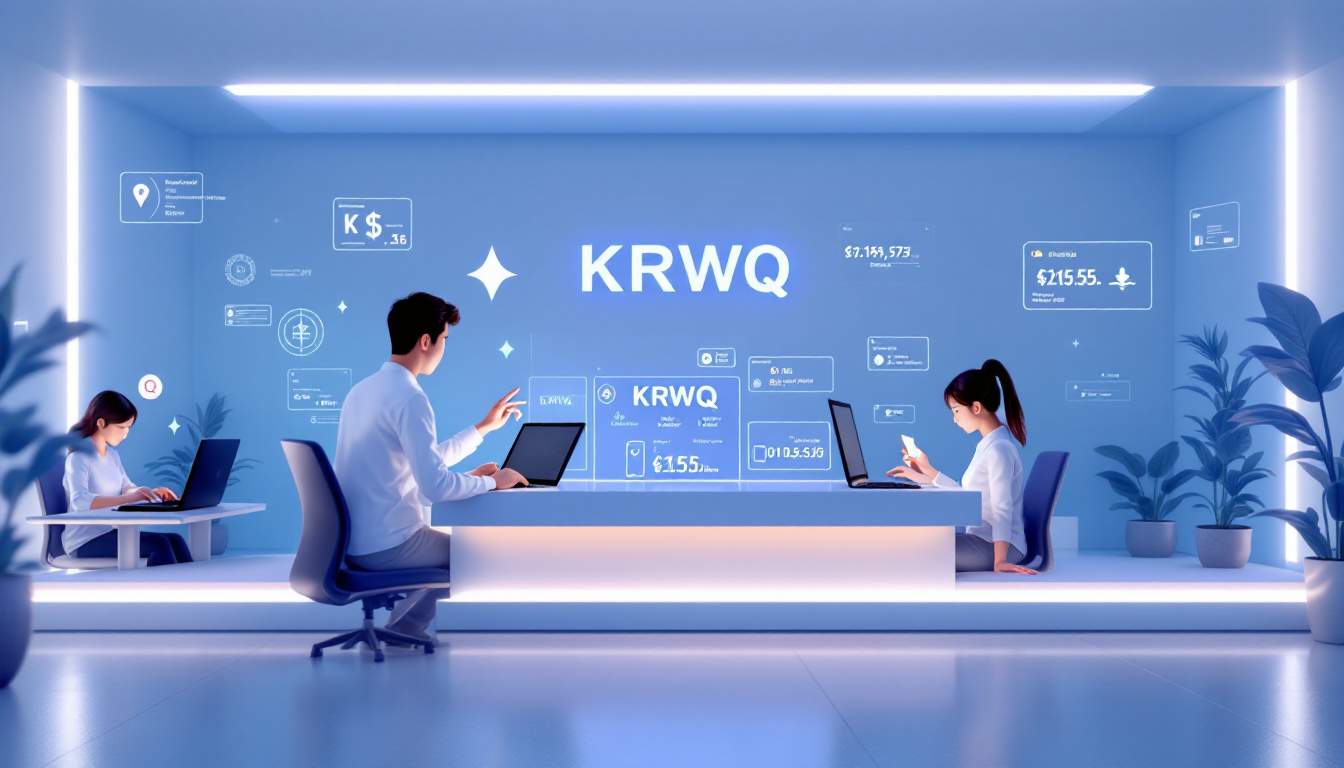
The launch of KRWQ stablecoin is turning heads in South Korea, especially among startups. This new digital asset could change the payroll game in the country, and it’s not just about making payments quicker. As businesses look for ways to counter inflation and streamline their payment processes, KRWQ offers a stable, won-pegged alternative that could redefine how employees are compensated.
What is KRWQ Stablecoin?
What’s the deal with KRWQ? It’s designed to maintain a constant value—one KRWQ equals one Won. This is a big deal in the crypto world where prices can be all over the place. Having a stable digital asset gives people a reliable option to hold onto their money without needing to go back to traditional fiat currencies.
The ties to Frax Finance, a reputable name in decentralized finance, add credibility to the whole operation. This partnership aims to provide the infrastructure necessary to support the KRWQ stablecoin and give it a chance to succeed.
The Growing Trend of Stablecoin Salaries
Stablecoin salaries are popping up all over the globe, especially in the startup world. They promise quicker payments and a hedge against inflation. Take Argentina, for instance. Workers are increasingly getting their paychecks in stablecoins like USDC or DAI. If KRWQ can become widely accepted and regulations shift, South Korean startups might follow suit.
KRWQ could significantly enhance liquidity and trading volumes for local users. It provides a direct and efficient way for South Koreans to get involved in DeFi and other blockchain applications without having to rely on dollar-pegged stablecoins. This could lead to greater cryptocurrency adoption in South Korea, spur innovation in the local blockchain scene, and open up new financial avenues for businesses and individuals.
How to Offer Stablecoin Salary Options to Your Employees
How do you get in on this trend? It’s quite doable for startups. Here’s how you can start:
Educate your team about stablecoins. Make sure they understand what they are and how they function. This kind of knowledge can help ease the transition. Choose a reliable crypto payroll platform that supports KRWQ and offers instant stablecoin payments. Set up digital wallets for employees to receive their KRWQ salaries. Guide them on how to securely set them up. Communicate the benefits of stablecoin salaries, like inflation protection and faster payment times. Keep an eye on regulatory changes in South Korea regarding stablecoins. Being proactive can save you headaches later.
Regulatory Landscape and Challenges
The regulatory landscape for stablecoins in South Korea is changing rapidly. The government is working on a framework for won-backed stablecoins that includes reserve management, token issuance, and user protection. This move aims to reduce reliance on dollar-pegged stablecoins and create a more stable ecosystem.
However, there are still regulatory hurdles to overcome. For example, there are limits on stablecoin interest payments to avoid competing with traditional banks. As KRWQ stablecoin gains traction, navigating these regulations will be crucial for startups.
Benefits of Paying Salaries in KRWQ
Paying salaries in KRWQ comes with its perks for both employers and employees:
Protection from inflation: KRWQ can help employees retain the value of their earnings. Faster transactions: Stablecoin payments can be processed instantly, cutting down on the time and costs associated with traditional banking. Flexibility: Employees can convert KRWQ to other cryptocurrencies or fiat currencies easily. Financial inclusion: Stablecoin salaries can help promote financial inclusion, especially for those without access to traditional banking.
The Road Ahead
Despite its potential, KRWQ will face challenges. Regulatory clarity in South Korea is essential for its long-term viability. Building trust and transparency in its reserve management will also be key to its growth.
With IQ's backing and the technical expertise of Frax Finance, the foundation for a robust digital asset is solid. This launch signals a growing trend toward localized stablecoins that cater to specific national currencies, enriching the global decentralized finance landscape. The future could be bright for this new digital Won, aiming to fit seamlessly into the broader financial world.