What is Whale Trading?
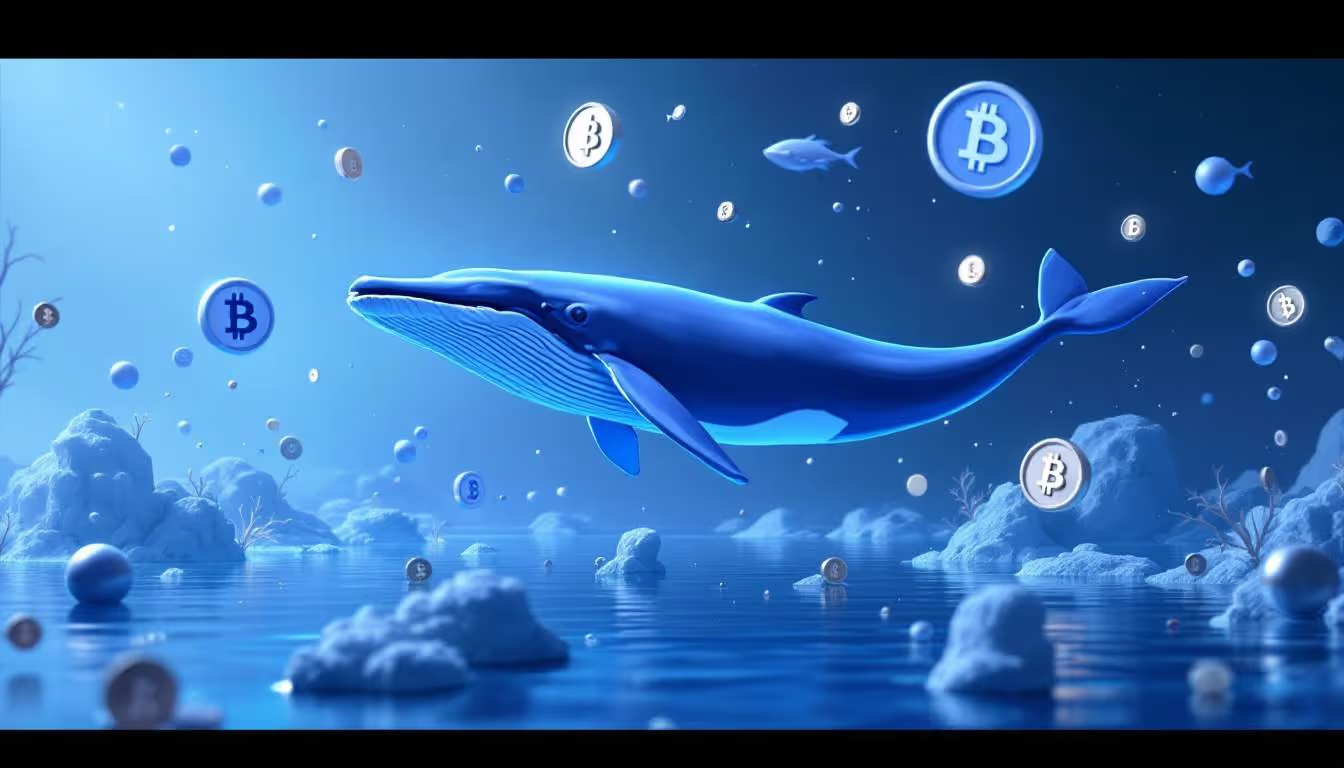
Whale trading is the act of buying and selling cryptocurrencies by large holders known as "whales." These players can create waves in the market as their trades can lead to significant price fluctuations. For example, a whale’s sale of a huge amount of Bitcoin can cause a sudden drop in price, leading to panic selling from smaller investors. Conversely, when these large holders buy, it can create a bullish sentiment that attracts smaller investors to jump in.
Why is Whale Trading in the News?
Recent events highlight the impact of whale trading on the cryptocurrency market. Take the PENGU token, for instance. Major South Korean exchanges like Bithumb and Upbit have been accumulating it, leading to a surge in market confidence and increased liquidity in the market. They gathered 945 million PENGU tokens, which is 3.8% of the total supply, contributing to a significant rise in trading volume against the Korean won.
How Can SMEs Handle Whale-Induced Volatility?
For small to medium enterprises (SMEs) in crypto, there are several strategies to navigate the volatility linked to whale trading:
-
Watch the Chains: Keep tabs on on-chain signals and whale movements. This foresight allows businesses to prepare and react quickly to potential price fluctuations.
-
Diversify Holdings: Holding a variety of cryptocurrencies can help to spread the risk. This can soften the blow when a particular asset takes a nosedive.
-
Create a Risk Management Framework: Having a solid risk management strategy is crucial. This might include setting stop-loss orders and keeping liquid assets to withstand sudden market changes.
-
Leverage Trading Technology: Investing in advanced trading technologies that can adapt quickly to market changes is vital. Automated systems can help seize market opportunities while reducing risks.
-
Stay Updated on Regulations: Keeping an eye on regulatory developments is key, as whale activities can attract scrutiny that may change market dynamics. Understanding regulations can help in navigating potential challenges.
What are the Risks of Increased Liquidity from Whale Activities?
While whale activities can boost liquidity, they also carry risks for SMEs:
-
Illusion of Ample Liquidity: Tokenization can create a false sense of liquidity, hiding underlying illiquid assets. A sudden increase in redemption demands could force startups to sell quickly, leading to plummeting prices.
-
Liquidity Shocks: Some token platforms need significant liquidity upfront for settling trades. If startups bank on continuous funding availability, they might not keep enough liquidity in reserve, leaving them exposed to liquidity stress.
-
Automation Risks in Liquidation: Smart contracts may automate liquidation, intensifying liquidity pressures during market stress and causing rapid selling.
-
Navigating Regulatory Challenges: The fragmented regulatory landscape can be a hurdle for small fintechs. Ambiguous legal ownership and compliance issues can stall tokenized projects or cause losses.
-
Cybersecurity Risks: More exposure to cyber threats and operational vulnerabilities can hinder liquidity and erode trust in the platform.
What Can We Learn from Historical Whale Trading Patterns?
The history of whale trading offers valuable insights for market players:
-
Initial Volatility, Stabilization Over Time: Major acquisitions or moves by institutions can initially increase volatility. Yet, they can also lead to prolonged price stabilization as market sentiment adjusts.
-
Low Volatility as a Signal: Data suggests that periods of low volatility can hint at waning selling pressure, indicating the potential arrival of a bull market. Recognizing this can aid investors in anticipating market changes.
-
External Factors Matter: Regulatory shifts, tech changes, and macroeconomic events can influence volatility in conjunction with whale activities. Regulatory announcements can amplify market reactions triggered by whale trading.
How Do Whale Activities Affect Long-Term Token Sustainability?
Whale activities can influence the long-term sustainability of token prices through:
-
Price Volatility and Market Sentiment: Large trades often result in sharp price changes, affecting investor confidence. A significant sale by a whale can lead to panic selling among smaller investors, causing broader market declines.
-
Manipulative Price Moves: Whales can create false impressions of market activity by placing large buy or sell walls. This manipulation can lead to sudden price swings and a mismatch in supply and demand.
-
Governance and Decentralization Issues: In blockchains linking governance votes to token holdings, whales can significantly influence development decisions, reducing decentralization and potentially affecting the token ecosystem's attractiveness.
In conclusion, while whale trading can provide liquidity and impact price trends, it also brings volatility and risks that may threaten the long-term sustainability of token prices. SMEs with effective strategies can navigate these challenges and benefit from the market dynamics.