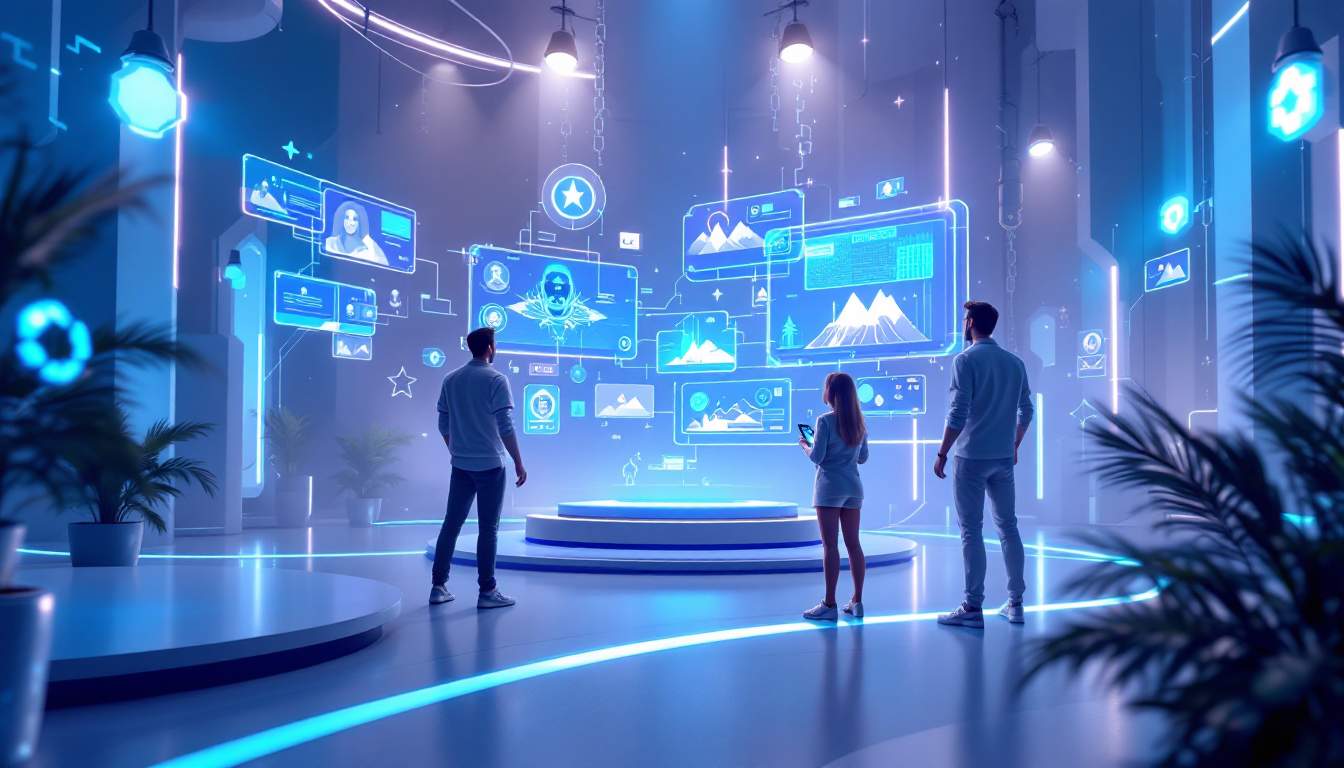
MetaArena combines artificial intelligence (AI) with blockchain technology to build a decentralized gaming ecosystem. What does it promise? AAA-level performance and real ownership of in-game assets. It uses a full-stack approach, allowing intelligent agents to participate in an on-chain economy.
Is MetaArena Accessible to Average Gamers?
Will the average gamer find it easy to access MetaArena? That's a tough question. While the platform is ambitious, it does require a certain level of technical proficiency. Players need to manage digital wallets and interact with blockchain protocols, which could deter those unfamiliar with cryptocurrency.
MetaArena has made some moves to make it easier by integrating with platforms like Telegram. This lets users start games and trade assets without going through complicated sign-in processes. But can a non-tech-savvy person navigate the tech that underpins it?
What Are the Benefits of Decentralized Gaming?
Why should we care about decentralized gaming? True ownership is a huge draw. Players can own NFTs that represent in-game assets, allowing for trade and use across games. This approach empowers players economically.
Decentralized governance is another benefit. Players get a voice in the development and economic policies of games they play. It's a move towards democratizing what has traditionally been a top-down industry.
And don't forget about financial inclusion. Crypto payroll systems are a lifeline, especially as more companies move to crypto payments.
How Does AI Enhance the Gaming Experience in MetaArena?
AI is a game changer, quite literally. In MetaArena, there's an AI execution layer where agents act as economic players, not just scripted characters. Their actions are recorded on the blockchain, bringing in an element of accountability.
What does this mean for the player? AI can analyze behavior and market trends, optimizing gameplay. Personalization keeps players engaged and enhances the quality of the experience.
AI also introduces automated monetization strategies, allowing for sustainable game economies. The agents adapt and evolve, creating a more responsive gaming world.
What Future Trends Should Gamers Watch in Web3?
What should gamers keep an eye on? Play-to-earn (P2E) models are on the rise, democratizing economic participation. Crypto is being integrated into the model, allowing players to earn from their gaming time.
AI and blockchain are set to redefine economic models. Expect changes in labor and value creation in gaming.
And DAOs are becoming more popular, enabling community-driven governance. This will lead to more engaging experiences.
The metaverse is expanding, creating new commerce opportunities. As assets become interoperable across games, engagement deepens.