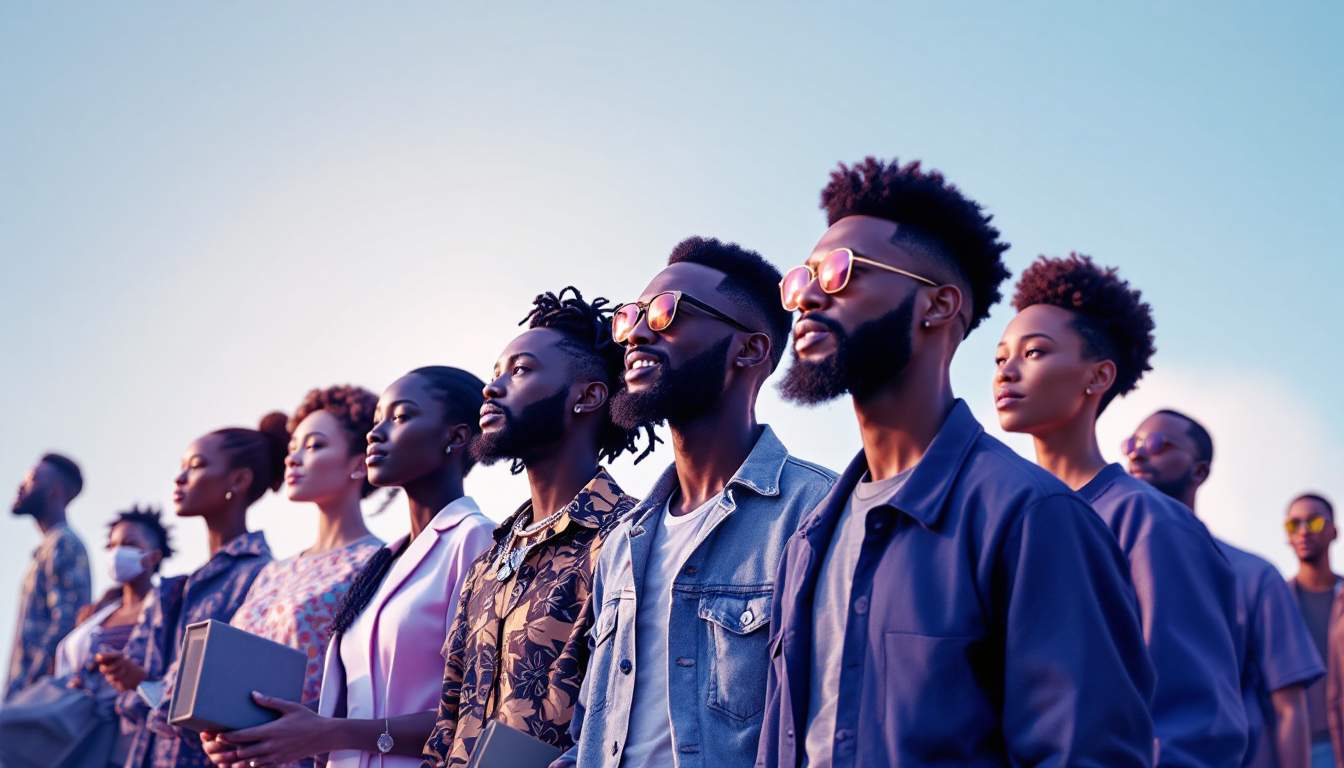
In a nation like Nigeria, where the clash of communal values creates a storm of moral dilemmas, The Herd shines a brilliant light on the entangled lives shaped by societal expectations. As characters find themselves trapped in a wedding turned nightmare, the gripping narrative reveals the weight of societal pressures on personal ethics amid the chaos of insecurity. Let’s unravel the complex threads of Nigerian identity, where cultural tales and ethnic tensions guide choices in a perilous world.
Societal Pressures and Individual Morality
Through its narrative, The Herd expertly reveals how deeply entrenched societal norms affect personal morality in Nigeria. The wedding, a celebration of unity, serves as a backdrop to the film’s exploration of how societal expectations complicate moral choices in dire situations like banditry and kidnapping. In a culture that traditionally champions brotherhood and collective responsibility, the film powerfully portrays the moral ambiguities that surface when survival instincts collide with ethical obligations.
Ethnic Stereotyping and Community Ties
The portrayal of Fulani herders and a corrupt pastor as part of a criminal conspiracy raises significant questions about ethnic stereotyping and its effect on community ties. This aspect of the film challenges viewers to reconsider the prejudiced narratives that unjustly attribute collective blame and exacerbate division. The Herd pushes for a more nuanced understanding of identity in Nigeria, shedding light on the complexities obscured by simplistic narratives surrounding ethnicity.
Insecurity Breeds Moral Dilemmas
By nestling acts of violence within the sanctuary of a wedding, a communal event, the film underlines how insecurity disrupts social norms and thrusts individuals into morally ambiguous situations. Characters grapple with fear, loyalty, and the instinct to survive, illustrating how societal instability weighs heavily on personal ethics and choices. The tension in the film is palpable, as each decision carries potentially devastating consequences, mirroring the real-life moral quandaries Nigerians face amidst insecurity.
Navigating Cultural Diversity's Challenges
The Herd also captures Nigeria’s vast cultural and linguistic diversity, with the interplay of major languages reflecting the fractured nature of the country. The film artfully avoids casting entire ethnic groups in a negative light, while still confronting the grim realities of insecurity. It poignantly illustrates the emotional toll of violence, depicting ordinary Nigerians ensnared in cycles of fear, loss, and despair. The transformation of the wedding scene into a nightmare symbolizes the abrupt disruption of peace and normalcy in Nigerian life.
Summary: Pondering Nigerian Identity
Ultimately, The Herd illustrates the profound influence of societal expectations on individual morality in Nigeria, especially in the shadow of insecurity and ethnic tensions. It reveals the intersectionality of communal values, ethnic identities, and the grim realities of violence, creating intricate moral landscapes where individuals find themselves constantly reassessing their ethical commitments. The film reflects the fractured identity and societal turmoil within Nigeria, encapsulating the complexities of contemporary Nigerian identity in a time of crisis.
The Herd serves as a reminder of the critical importance of understanding the intricate dance between societal expectations and individual morality when navigating contemporary Nigerian life.