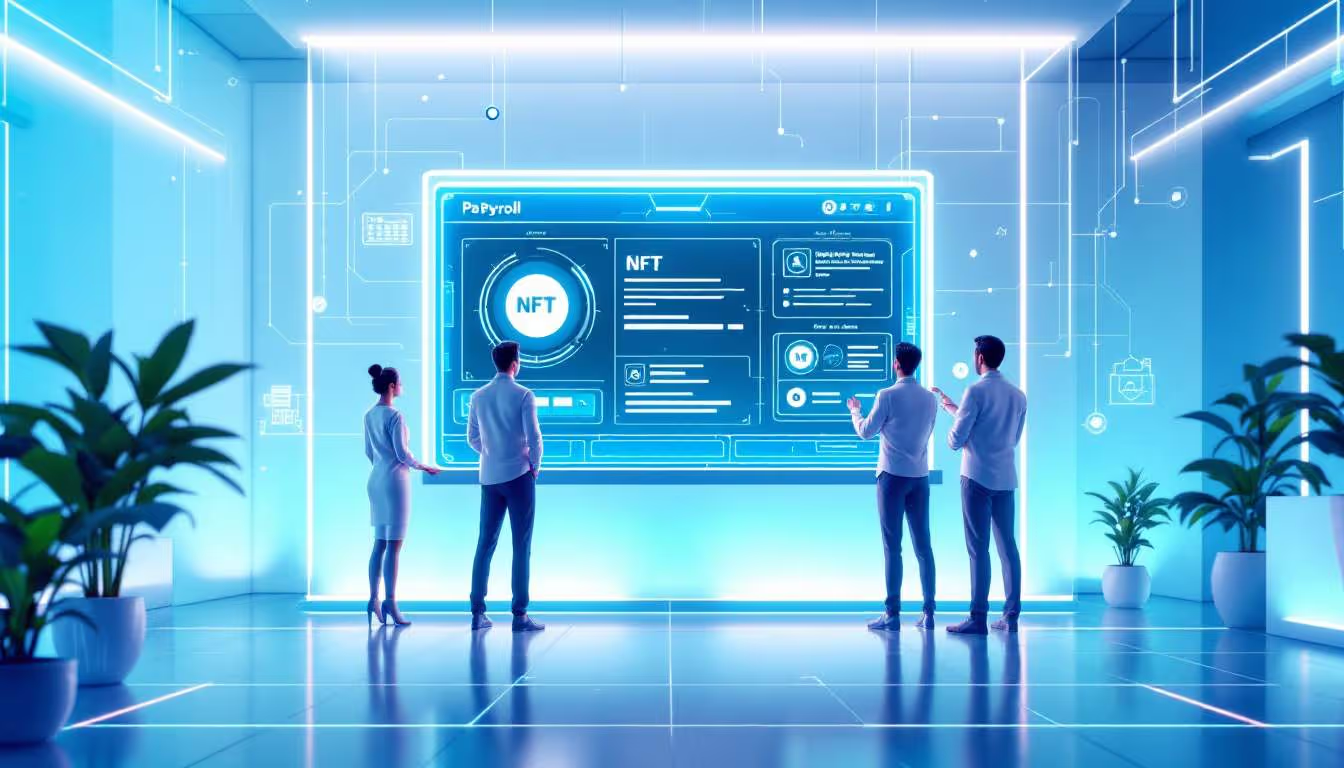
NFTs Revolutionizing Payroll Solutions in the Crypto Era
NFTs are stepping up as a game changer in payroll solutions, especially for fintech startups in Asia. They’re not just for digital art anymore; they’re redefining how employees are compensated and recognized. Let’s unpack this trend, weigh its pros and cons, and consider its implications in our evolving digital landscape.
NFTs: What They Are and How They’re Being Used
First off, let’s clear what NFTs are. NFTs, or non-fungible tokens, are unique digital assets representing ownership of various items—think art, music, and more. In payroll, they can take the form of digital tokens for employee recognition, serving as a tangible form of acknowledgment. For instance, some fintech startups are rewarding employees with NFTs for hitting certain milestones. This innovative approach creates a sense of pride among team members while aligning with the growing trend of digital asset ownership in the workplace.
The Upside of Using NFTs for Payroll Solutions
So why go the NFT route for payroll? Here are a few reasons:
-
Personalized Recognition: NFTs can be customized and stored in digital wallets, giving employees a space to display their achievements. This personal touch can boost morale and foster a positive work environment.
-
Automation via Smart Contracts: Leveraging blockchain tech, NFTs can automate payroll processes through smart contracts, ensuring efficient salary disbursements and enhanced compliance with financial regulations.
-
Flexible Compensation Models: NFTs offer unique ways to structure compensation. Performance-based rewards or profit-sharing models are two examples. Such flexibility can attract top talent, especially in competitive sectors.
-
Market Adaptability: As NFT trends shift, companies can adjust payroll strategies accordingly, staying in tune with the preferences of tech-savvy employees.
The Risks of NFT Payroll Systems
Despite the benefits, there are challenges involved when you integrate NFTs into payroll:
-
Valuation Issues: The unpredictable market prices of NFTs complicate real-time valuation and tax reporting. Companies will need to find ways to navigate this without falling into compliance traps.
-
Regulatory Uncertainties: The NFT regulatory landscape is ever-changing. The Markets in Crypto-Assets Regulation (MiCAR) in Europe, for instance, imposes new rules for SMEs using utility-based NFTs in their financial operations. Staying compliant will be key.
-
Cybersecurity Risks: Digital assets face inherent cybersecurity threats. Companies will need to bolster security measures to protect their digital wallets and ensure employee compensation safety.
-
Environmental Concerns: Blockchain technology's energy consumption can raise environmental questions. Companies may need to consider sustainability in our NFT-focused initiatives.
Regulatory Changes and Their Impact
The integration of utility-based NFTs into financial operations has implications, especially for SMEs in Europe. The MiCAR brings in comprehensive regulations for token issuers and service providers, directly affecting how NFTs are classified for payroll systems.
-
Scope of MiCAR: MiCAR governs crypto-assets that aren’t covered by existing EU financial law, potentially including utility-based NFTs. Companies need to dodge unintended classification as regulated crypto-assets.
-
Case-by-Case Assessment: Whether a utility-based NFT falls under MiCAR hinges on its specifics. Unique, truly non-fungible tokens usually escape regulation, but those behaving like securities or payment instruments might not.
-
Compliance Obligations: Integrating NFTs into payroll systems has compliance implications under MiCAR, including rules regarding issuance, disclosure, and possibly licensing as a crypto-asset service provider.
-
Ongoing Legal Review: The changing regulatory environment means companies must routinely review their NFT projects to stay compliant with evolving MiCAR interpretations.
Future Trends for NFTs in Payroll Systems
In a growing gig economy, NFTs might pave new avenues for freelancer and gig worker compensation. The blend of NFTs and crypto payroll solutions could offer performance-based compensation models, gaining importance in Asia.
-
Interoperability and Cross-Border Payments: The demand for seamless, cross-border crypto payments compliant with diverse tax laws will fuel payroll innovation. Companies must adjust to stay competitive globally.
-
Rise of Stablecoins: Stablecoins as salary payment options are gaining popularity. Companies are exploring the benefits of stablecoin salaries to counteract volatility and stabilize income.
-
Crypto Payroll Goes Mainstream: The increasing adoption of crypto payroll solutions will accelerate. This shift will enhance employee satisfaction and position companies as progressive employers.
-
Viral Success Stories: The growing number of employees who became millionaires from crypto salaries showcases the potential of this trend, attracting top talent eager to engage in the digital economy.
NFTs are carving a niche in payroll solutions by offering innovative employee recognition and compensation, all while navigating regulatory challenges. As the landscape evolves, companies must remain agile and adapt their payroll strategies to tap into the full potential of NFTs in the crypto era.