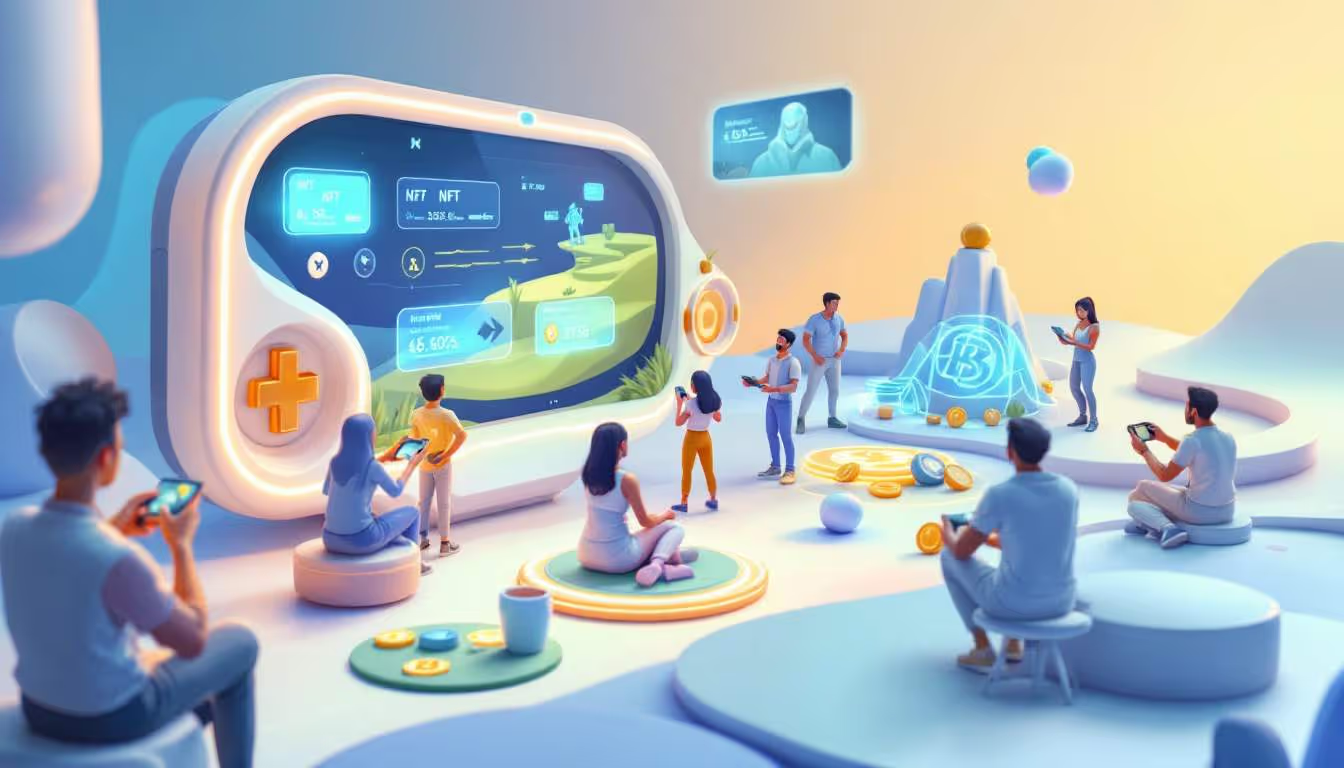
What does NFT stand for and how do they function in gaming?
NFT stands for Non-Fungible Tokens, which are distinctive digital assets validated through blockchain technology. These tokens empower players to possess, exchange, and monetize in-game items. Unlike traditional gaming models that allow players to merely rent digital assets, NFTs provide true ownership. This means players have the power to sell or trade items on decentralized marketplaces, fostering a deeper connection to in-game assets.
What advantages do NFTs bring to player engagement?
NFTs greatly enhance player engagement in multiple ways. They offer exclusive content and rewards, creating an environment where achievements feel meaningful. Take, for instance, a game like Legend of YMIR; players can earn NFTs by actively participating in events, which can later be traded or sold. This system not only motivates gameplay but also encourages community members to take part in governance, influencing aspects of game development.
The play-to-earn model associated with NFTs allows players to transform their gaming efforts into real-world value. This model has the potential to attract more individuals, enabling them to monetize their time and skills, thus turning gaming from a mere pastime into a potential source of income.
What financial challenges accompany NFTs?
Despite their advantages, NFTs introduce challenges in financial management. One major hurdle is the tax implications tied to trading and selling NFTs. It's crucial for players and developers to be well-informed about regulatory compliance, which can vary by jurisdiction, to avoid legal complications.
Moreover, NFT economies can be volatile, causing asset values to fluctuate dramatically. Players could face unstable financial situations if the worth of their in-game items dramatically changes. This volatility can sometimes mimic pyramid-like incentives, requiring a constant influx of new players to keep asset values stable, which poses risks to players and developers alike.
What methods can players use to monetize their in-game assets?
Players can monetize their in-game assets in various ways. Trading NFTs on decentralized marketplaces is the most common approach, allowing players to sell unique items to interested buyers. This creates a vibrant secondary market, enabling players to profit from their investments in time and effort.
In addition to trading, players can engage in play-to-earn models, earning cryptocurrency or NFTs through gameplay. For example, in Legend of YMIR, players can collect gWEMIX, a cryptocurrency that has real money value. This not only incentivizes gameplay but also allows players to earn while engaged in their favorite games.
What regulatory considerations must be addressed in NFT gaming?
As the NFT gaming landscape continues to evolve, regulatory compliance becomes increasingly important. Developers and players need to meet anti-money laundering (AML) and know-your-customer (KYC) regulations, adding complexity to the onboarding experience for new users. Complications arise due to the varying regulations across jurisdictions, necessitating that stakeholders stay up-to-date with legal developments.
Adding to this challenge, some platforms have started to limit crypto-based games due to concerns surrounding fraud and market volatility. For instance, Steam has restricted crypto games, while Epic Games has allowed them under strict regulations. This inconsistency demonstrates the necessity for developers to navigate an intricate regulatory landscape to remain compliant and safeguard their users.
How does a game like Legend of YMIR utilize NFTs?
Legend of YMIR employs NFTs to enhance player engagement and develop new revenue channels. The game offers special launch events—such as NFT airdrops—where players can receive unique digital assets simply by signing up. This approach rewards early adopters and encourages them to engage with the game from the start.
Moreover, the game hosts a Lucky Totem Event, where players can craft totems using gWEMIX earned through gameplay. These special totems serve as entries to lotteries for substantial prizes, including Bitcoin. Offering such events creates excitement and fosters a sense of community among players, as they collectively strive toward shared objectives.
What future trends can we expect in crypto gaming?
The crypto gaming sector is set for substantial growth, driven by the rising acceptance of NFTs and blockchain technology. As players increasingly appreciate genuine digital ownership, demand for NFT-based games is anticipated to surge. This growing interest will push developers to innovate, creating more engaging experiences that leverage the unique attributes of blockchain technology.
Additionally, incorporating decentralized finance (DeFi) into gaming ecosystems will introduce new monetization and financial management opportunities. Players may soon gain access to decentralized payroll solutions, enabling them to receive cryptocurrency payments for their contributions to games. This evolution could revolutionize player interactions with gaming platforms, making crypto payroll a distinct niche within the industry.
In summary, NFTs are indeed reshaping the gaming landscape, particularly in titles such as Legend of YMIR. By boosting player engagement, introducing new financial models, and navigating regulatory hurdles, NFTs are transforming the future of gaming. As the industry progresses, adaptation is crucial for both players and developers to succeed in the evolving world of crypto gaming.