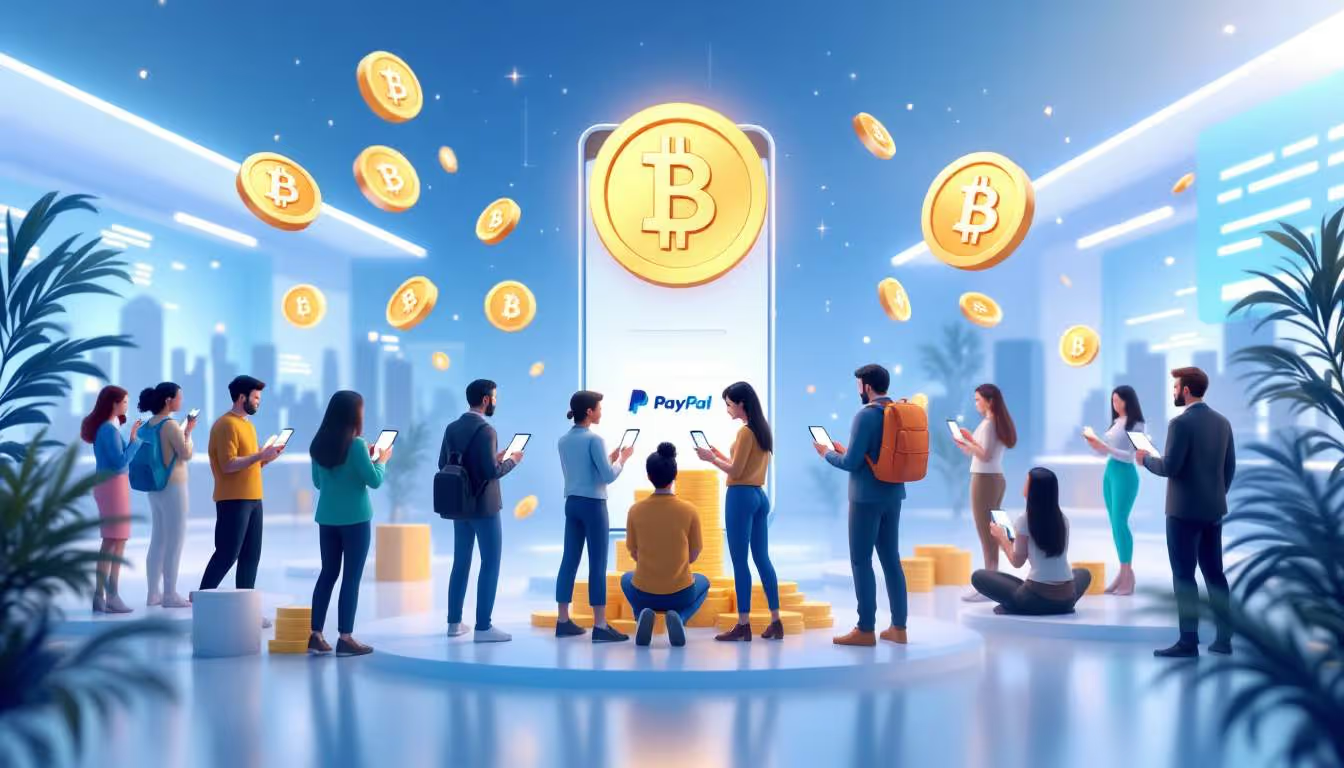
So PayPal is getting into the cryptocurrency game, huh? The digital payments giant is now incorporating cryptocurrency into its peer-to-peer payment (P2P) system, and it's a big deal. This move not only makes it easier for users to make payments but also could usher in a new era of people using digital assets for everyday transactions. With PayPal leading the charge, the future of financial transactions might just be a little more crypto-friendly.
The Cryptic Introduction
Cryptocurrency has been around for a while, and it's been changing the finance game in a big way. And stablecoins? They’re the ones that are pegged to stable assets like the US dollar. So, you don’t get the rollercoaster ride of volatility you usually associate with crypto. This makes stablecoin payments way more appealing, especially for people who don’t want to deal with the usual ups and downs that come with Bitcoin and Ethereum.
PayPal's P2P Payment Revamp
PayPal's upgrades to its P2P payment features are nothing short of a milestone. Users can now send and receive digital assets like Bitcoin (BTC), Ether (ETH), and even its own stablecoin, PYUSD, directly through PayPal's platform. Makes things a lot simpler, right? They’ve even rolled out PayPal links—personalized one-time links that can be shared across platforms—making it super easy to send money to friends or family, no matter where they are.
But hold your horses! Just because PayPal is doing it doesn’t mean everyone will jump on board. Traditional users may still be skeptical, and there’s a big learning curve for new users as well.
What About Financial Inclusion with Stablecoins?
Stablecoins are also being touted as a tool for financial inclusion, particularly for unbanked folks in Asia who need access to financial services. They allow people without bank accounts to save, send, and receive money securely. This is key for migrant workers and small businesses who often face high fees and long delays with traditional banking.
PayPal's move to integrate stablecoins into its payment system could align with the growing need for effective cross-border payments. Who wouldn’t want to pay a fraction of what they usually would? The World Bank has said that stablecoin-based rails could cut transaction costs significantly. So, in a way, PayPal is not just enhancing its services, but also contributing to making financial systems more inclusive.
Decentralization vs. Centralization: The Great Debate
The thing is, PayPal’s centralized model is all about user trust and following regulations. But that clashes with what decentralized systems offer—censorship resistance and full user control without intermediaries. It's a balancing act, really. PayPal’s hybrid model, which includes blockchain-based stablecoins and crypto payments, is attempting to walk that fine line.
The P2P payment market is growing fast, on track to hit $9.9 trillion by 2025. With PayPal's P2P segment expected to eat up a good chunk of that, they’re clearly catering to a market that is evolving rapidly.
Enter Crypto Payroll: The Game Changer for Global Payments
Now, let’s talk about crypto payroll systems. This is a new frontier for global payments, folks. By using stablecoins and blockchain tech, companies can make cross-border payroll a lot easier, quicker, and cheaper. And PayPal's P2P payment features? They could be the glue that holds it all together, making it easy to pay remote contractors and employees with digital assets.
And it’s not just businesses that will benefit. Workers in areas where traditional banking is hard to come by will be empowered as well. Crypto payroll is a win-win for both sides of the transaction.
The Future Looks Bright for Crypto Payments
PayPal is just getting started. With all these innovations and a growing number of people interested in crypto, the future of cryptocurrency in payment systems does seem promising. We might just be at the brink of seeing stablecoin payments and digital assets become a regular part of our lives.
As regulatory frameworks around cryptocurrency evolve, PayPal's focus on compliance and user trust will be essential. Being able to pivot quickly to what consumers want will likely be the key to success in this space.
Summary: A New Era in Payments
In short, PayPal's move to integrate cryptocurrency and stablecoins into its P2P payment system is a huge step forward in the digital finance evolution. By making life easier for users and promoting financial inclusion, PayPal is not just changing how we pay, they could also be changing the way we think about money. As the financial landscape evolves, PayPal’s innovations will be at the forefront, connecting traditional finance and lifting some aspects of decentralized finance into the light of day.