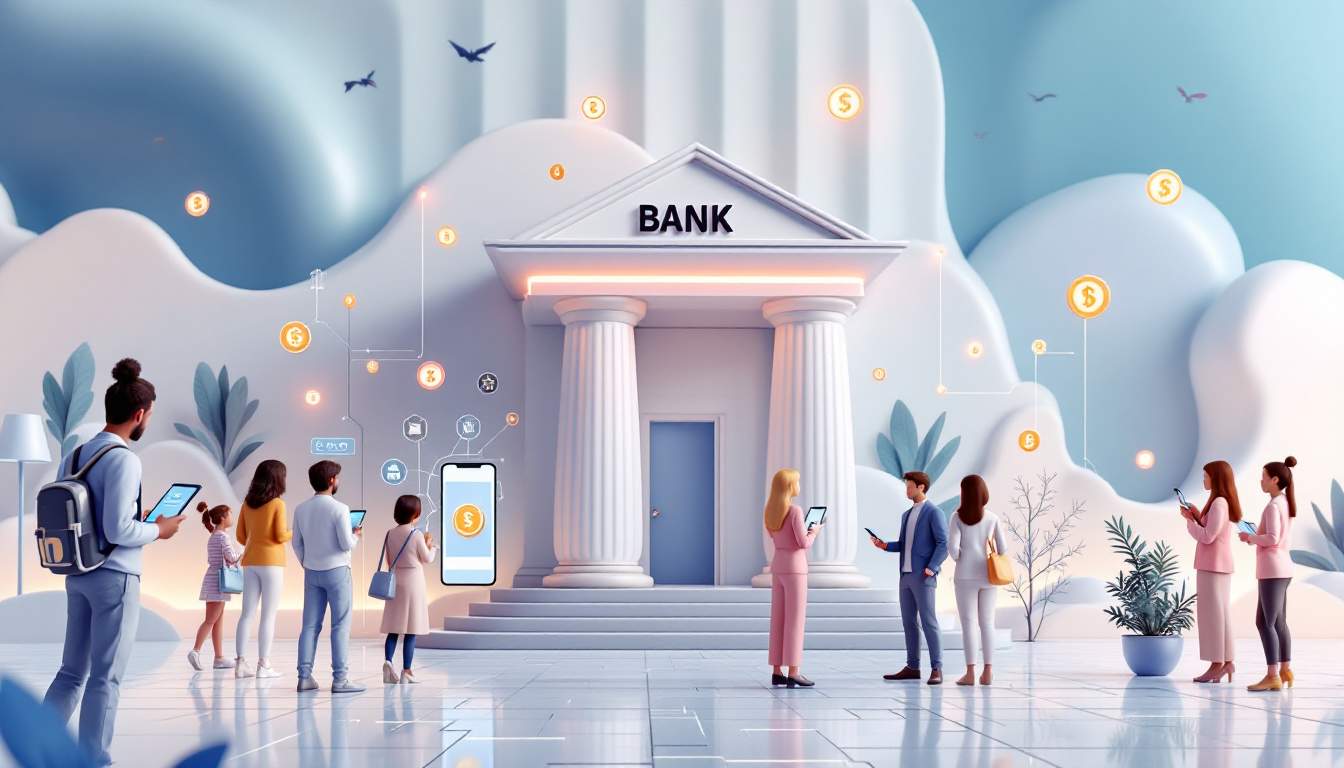
Stablecoin salaries are gaining traction in a world fraught with economic instability. These digital currencies offer a shield against inflation and open doors for those without conventional banking options. Let’s delve into how stablecoins might reshape payroll, ensure financial security, and benefit the unbanked, potentially transforming the global workforce.
What Are Stablecoins?
Stablecoins are a type of cryptocurrency that aims to keep its value steady by tying it to a pool of assets, like fiat money or commodities. Unlike traditional cryptocurrencies that can swing wildly in value, stablecoins provide a consistent means for transactions. This steadiness is attractive for freelancers and remote workers, especially when economic conditions are uncertain.
Boosting Financial Inclusion
These digital currencies are pivotal in advancing financial inclusion, particularly for those without bank accounts. Many people can't access standard banking facilities, making receiving payments and managing finances a hassle. Stablecoin salaries allow freelancers to receive funds directly into their digital wallets, eliminating the need for a bank. This approach empowers individuals in developing countries, allowing them to engage in the global economy, which in turn stimulates economic progress and stability.
Shielding Against Inflation
A significant perk of stablecoins is their ability to protect against inflation. In nations suffering from high inflation, local currencies can quickly depreciate, diminishing purchasing power. Stablecoins, pegged to stable assets such as the US dollar, act as a buffer for freelancers' income. Accepting payments in stablecoins ensures that remote workers can maintain their financial health and standard of living, despite economic turmoil.
The Future of Payroll
Integrating stablecoins into payroll systems marks a significant shift in salary distribution. More companies are embracing stablecoin payments to make payroll more efficient. This approach cuts transaction costs and allows for immediate payments, benefiting employees' cash flow. As businesses recognize the advantages of crypto payroll solutions, stablecoin salaries could become a standard practice, offering flexibility and efficiency in employee compensation.
Challenges for Startups
While the promise of stablecoins is substantial, fintech startups encounter hurdles in adopting these digital currencies. Regulatory compliance presents a major obstacle, as stablecoins must adhere to various financial regulations. Startups need to navigate complex licensing processes while ensuring compliance with anti-money laundering (AML) and know-your-customer (KYC) regulations. Furthermore, establishing the technology needed for stablecoin transactions demands considerable investment and know-how.
Summary
Stablecoin salaries present a robust, economical, and inclusive method of payment that can empower freelancers and remote workers worldwide, especially in areas with unstable currencies and limited banking infrastructure. By providing financial security, diminishing transaction costs, and increasing accessibility, stablecoins could revolutionize the future of work. As we transition toward a digital economy, stablecoin salaries might hold the key to financial independence for millions around the globe.