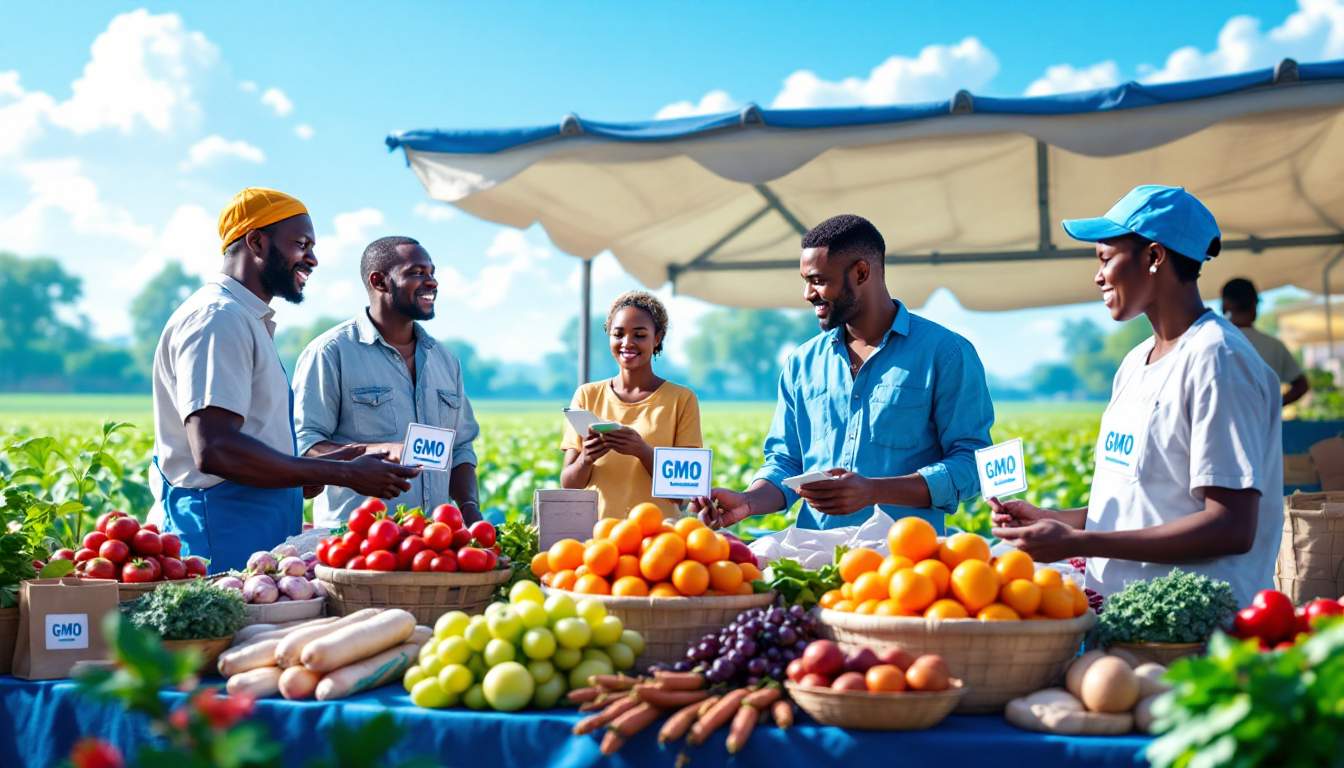
Nigeria is making moves to become more transparent when it comes to agriculture. The government has announced that they will start labeling genetically modified organisms (GMOs), which they hope will help consumers make informed choices and ease safety concerns surrounding these crops. With the country facing food security issues, it’s important to consider how this labeling could impact consumer trust long-term.
Why GMO Labeling Matters
GMO labeling is key to building trust with consumers. When people know exactly what they’re buying, they can choose products based on their own preferences. This transparency can also help calm fears and misconceptions about GMOs, boosting confidence in the regulatory processes that ensure food safety. As more consumers understand what’s in their food, it’s likely that their trust in the agricultural system will grow.
Regulatory Compliance is Key
The Nigerian government is serious about ensuring that all GMO products are thoroughly vetted and compliant with regulations. Agencies like the National Administration for Food and Drug Agency (NAFDAC) and the National Biotechnology Management Agency (NBMA) are at the forefront of these efforts. They will conduct detailed risk assessments that take into account nutritional composition, environmental impact, and long-term health effects. This rigorous approach aims to protect public health and instill confidence in GMO products.
The Need for Public Education
Public education will be essential for shaping how people perceive GMOs. Stakeholders need to get the word out about the pros and cons of genetically modified crops. By providing accurate information and dispelling common myths, the government can help ease public skepticism and create a more informed consumer base. This proactive approach is crucial for building trust and ensuring consumers feel secure in their choices.
Battling Misinformation
Despite the efforts, challenges are still present, particularly with public skepticism fueled by misinformation and cultural beliefs. Many people fear GMOs due to negative narratives and a lack of understanding. To combat this, clear communication and active engagement with the public are important. The government needs to foster an open dialogue and share evidence-based information to dispel myths and boost trust in the regulatory framework.
The Impact of Foreign Influences
Foreign influences play a significant role in shaping how Nigerians view GMO adoption. Geopolitical narratives often mix with local sentiments, leading to skepticism about why GMOs are being introduced. Some critics suggest that foreign entities may want to control Africa's food security through these initiatives. Addressing this concern requires a deep understanding of the socio-political context and a commitment to preserving Nigeria's agricultural sovereignty.
Striving for Balance
As Nigeria navigates this new territory of GMO labeling and adoption, it’s crucial to balance biotech advancements with food sovereignty. This can be done by combining modern biotech innovations with sustainable, locally controlled farming practices. Prioritizing food sovereignty ensures that communities maintain control over their agricultural systems while also benefiting from biotech advancements.
Summary
The introduction of GMO labeling in Nigeria marks an important shift in the agricultural landscape. By enhancing transparency and fostering consumer trust, this initiative can change how genetically modified crops are perceived. But for the initiative to succeed, effective regulatory compliance, public education, and tackling misinformation and foreign influences will be essential. Nigeria's future will depend on a balanced approach that respects local practices while also embracing the benefits of biotechnology for food security.