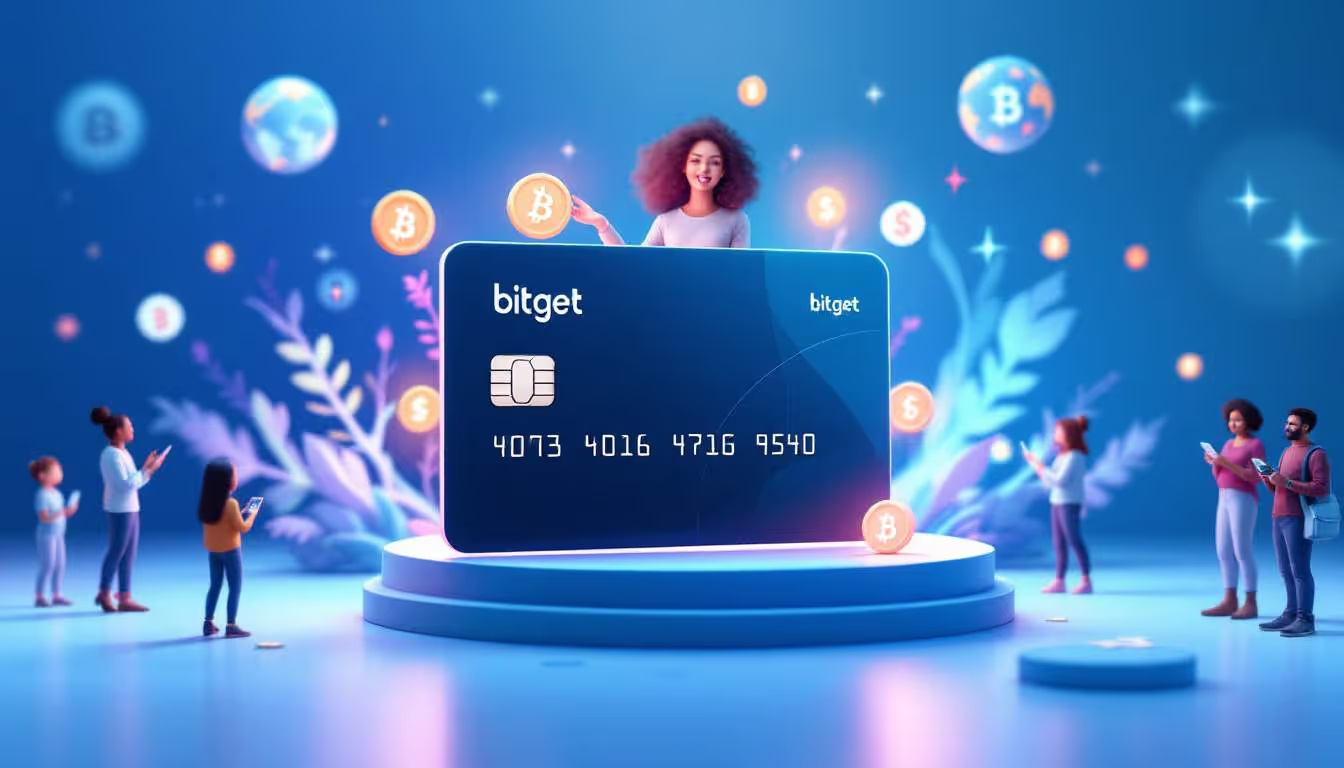
The crypto world just got a whole lot more interesting with the introduction of the Bitget Wallet Card. This card is powered by a collaboration with Mastercard and Immersve, allowing users to spend digital assets at over 150 million merchants globally, all without incurring transaction fees. Finally, crypto payments are becoming more accessible. Let's dive in and see if this is the future of crypto banking or just another gimmick.
Key Features of the Bitget Wallet Card
Zero-Fee Transactions: A Game Changer in Crypto Banking
First off, can we talk about these zero-fee transactions? In a world where transaction costs can eat into profits and savings, this feels like a breath of fresh air. I mean, this could make crypto banking for startups much more appealing. But will this attract the right kind of attention? Will the regulatory bodies have something to say about it?
Global Accessibility Through Partnerships
Thanks to the partnership with Mastercard and Immersve, the card is accessible on a global scale. For those of us living outside major banking hubs, this could be a game changer—giving us access to a more extensive network of merchants. However, I can't help but wonder: will this be more beneficial for the unbanked populations, or will it just open a new avenue for the wealthy to spend their crypto?
Real-Time Payments Powered by Blockchain Integration
The card promises real-time crypto-to-fiat conversions, which sounds fantastic. Instant payments? Yes, please! But let’s not forget that nothing about crypto is ever as simple as it seems. The card currently supports USDC on the Base blockchain, but how many more tokens will they add? And will they be stable?
Regulatory Compliance and Security in Crypto Payments
Importance of Compliance with International Regulations
In a time of increasing regulatory scrutiny, the card claims to comply with KYC and AML requirements. On one hand, this can lend credibility to the card. On the other, it makes me a bit uneasy. What kind of data are they collecting, and how will it be used? Is this just another way for crypto to be surveilled?
Security Measures to Protect Users
The card's infrastructure is designed with security in mind, boasting a user protection fund worth $300 million. But let's face it—who's not a little skeptical about security in crypto? Things can go wrong in the blink of an eye. Will this cushion users from potential losses or just make them feel more secure until the inevitable happens?
Impact on Financial Inclusion: Reaching the Unbanked
The card aims to promote financial inclusion for unbanked populations. This is a noble goal, but will it actually help those who need it most? Or will it just be another shiny object that the wealthy can use to access a world of goods and services? Crypto payroll could be a lifeline, but only if it's accessible to those who need it.
Global Expansion Plans for Crypto Payment Solutions
Bitget has ambitious plans for the Wallet Card, with launches in the UK and EU. They’re also eyeing Latin America, Australia, and New Zealand for future expansions. Will they be able to keep up with demand? And how will this affect the already strained global crypto business banking landscape?
Summary: The Future of Crypto Banking and Payments
The Bitget Wallet Card, in collaboration with Mastercard and Immersve, is linking digital assets to traditional financial systems in a way we haven’t seen before. But is this the future we want for crypto banking and payments? Only time will tell.