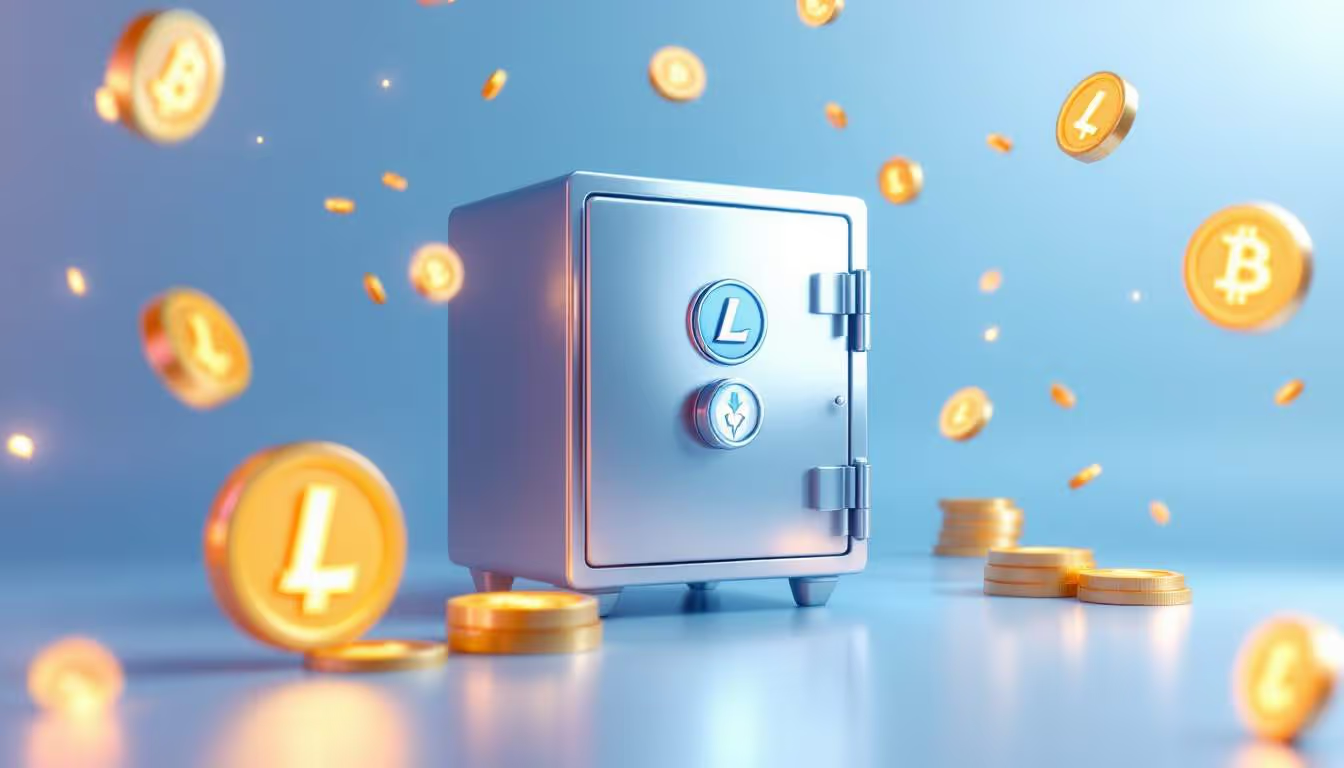
Litecoin is being hailed as a financial safe, but is it really the answer we need for secure currency transfers in crypto banking? Let's break down its security features, transaction fees, and the challenges it faces in the current landscape.
Litecoin's Security Features: Your Money Secure
First off, let's talk about security. Litecoin's got it in spades. The use of advanced cryptographic techniques, specifically Elliptic Curve Cryptography (ECC), means your transactions are secure, and your private keys are protected. Add to that a decentralized network, which means there's no single point of failure, and you've got a pretty solid case for it being a secure cryptocurrency. Plus, its wallets use hierarchical deterministic (HD) wallets and encourage the use of hardware wallets. So, if security is what you're after, Litecoin's got your back.
Transaction Fees: Why It Might Be Worth It for Currency Payments
Now, let's discuss transaction fees. One of Litecoin's biggest draws is its low transaction fees. Compared to other cryptocurrencies, it's a steal. That could make it appealing for small to medium-sized enterprises (SMEs) looking to cut down on operational costs. As blockchain technology matures, the idea of instant currency exchange and payments with crypto is becoming more of a reality, and Litecoin could be a big part of that.
Regulatory Compliance Challenges in Crypto Banking
But not everything is sunshine and rainbows. Litecoin is facing its fair share of regulatory compliance challenges, which could throw a wrench in its plans. The SEC has delayed decisions on Litecoin ETF proposals, leaving investors scratching their heads. Over in Europe, the Markets in Crypto Assets (MiCA) framework is hitting crypto-asset service providers with strict compliance requirements. This could make it harder for smaller businesses to adopt Litecoin, thanks to the inherent costs associated with compliance.
Market Conditions for Litecoin's Rise in Currency Transfers
For Litecoin to become a go-to for currency transfers in crypto banking, a few things need to happen. More widespread adoption from financial institutions and users is a must. Strategic partnerships with major banks and financial service providers would also help. Some clear and friendly regulations from governments wouldn't hurt either. Improvements in scalability, transaction speeds, and security measures are also essential.
Summary: The Future of Litecoin in Cryptocurrency Payments
All in all, Litecoin is shaping up to be a financial safe for secure currency transfers in crypto banking. Its security features and low transaction fees make it an attractive option. But let's not forget the regulatory hurdles and market conditions that could slow it down. The landscape is ever-changing, and Litecoin's future in currency transfers and payments with crypto looks promising, but it's not a guaranteed ride.