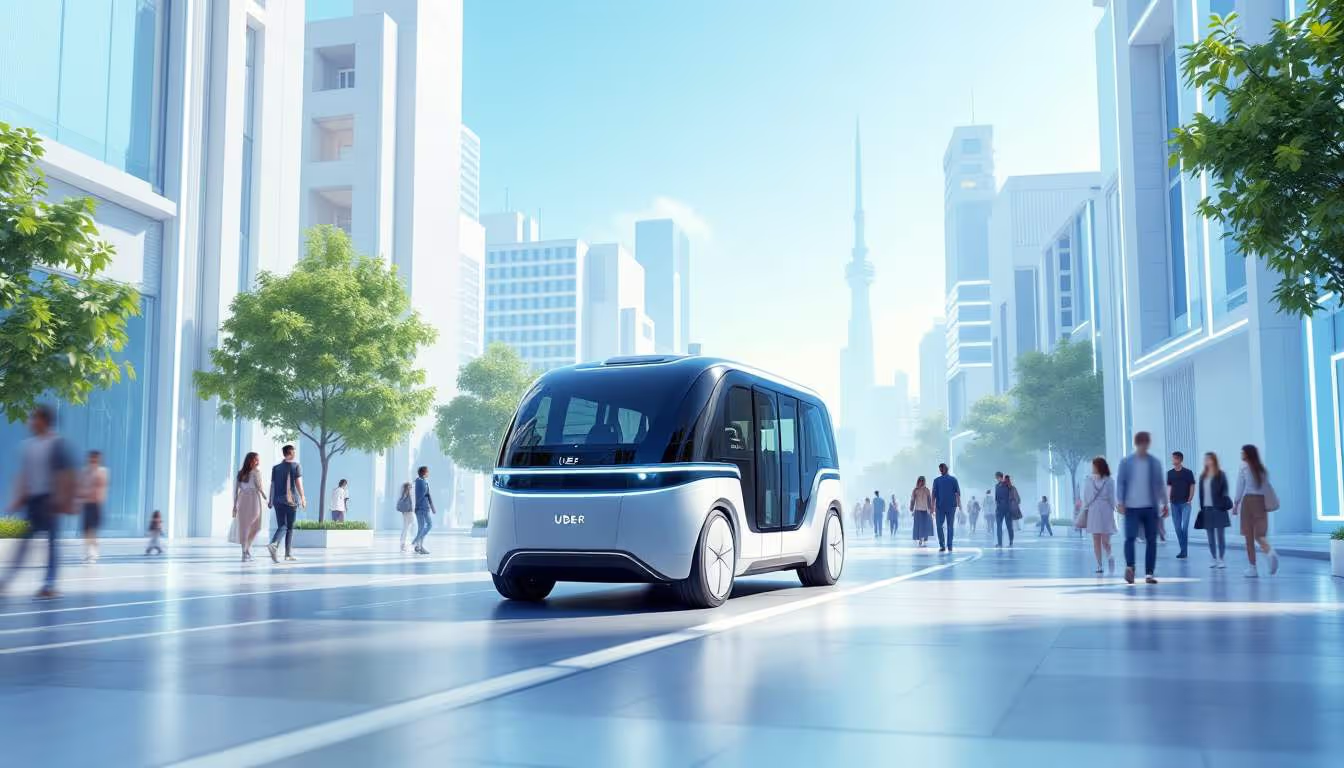
Uber is venturing into the future with a collaboration that involves electric vehicle manufacturer Lucid and autonomous tech company Nuro. Their goal? To develop a fleet of over 20,000 robotaxis over the next six years. They aim to launch services in a major U.S. city as soon as next year. This is not just a minor partnership; it entails a hefty investment from Uber. Reports suggest the commitment to Lucid is around $300 million, while the deal with Nuro may be even larger. At the core of this project is the Lucid Gravity SUV, engineered with Nuro's advanced Level 4 autonomous technology. This means the vehicles will drive themselves without requiring human oversight in standard traffic situations.
This initiative also aligns with Uber's broader strategy to lead in electric and autonomous vehicle adoption. To that end, Uber has established partnerships with various global firms within the autonomous sector. The resulting technology could make ride-hailing services even more efficient and available, and transform how we navigate urban spaces.
Will Robotaxis Threaten Drivers' Job Security?
The imminent arrival of robotaxis brings with it serious concerns regarding job security for traditional taxi and gig economy workers. With the advent of such autonomous vehicles, demand for human drivers in companies like Uber and Lyft could plummet. For gig workers who rely on driving as their primary source of income, this puts their livelihood at stake.
Even prior to complete displacement, the existence of robotaxis may dampen earnings for human drivers. If self-driving vehicles can operate endlessly without labor costs, the competition could force fare prices down, creating an uphill battle for human drivers trying to sustain their income.
That said, robotaxis are expected to initially operate in restricted areas under specific conditions. This could provide temporary reprieve for human drivers, allowing them to coexist with the autonomous vehicles, especially to meet surges in demand. However, this coexistence may still gradually erode opportunities and earnings, creating a tough situation for those dependent on driving for income.
How Will the Public React to Safety and Privacy Issues?
When it comes to autonomous vehicles, public acceptance hinges on safety and privacy. Safety is the number one concern, with most surveys stressing the importance of a safe experience for consumers. Many express skepticism that AVs can perform better than human drivers—worries about system failures, programming errors, and insufficient braking or steering control are prevalent.
Privacy concerns further complicate acceptance. Autonomous vehicles utilize extensive data collection via cameras and sensors, which raises fears about constant surveillance. Residents express apprehension regarding how their movements could be tracked and used, especially in densely populated urban settings. The absence of clear privacy legislation and corporate transparency accentuates these fears, making it essential for Uber to tackle these issues to foster public trust.
Will Robotaxis Widen Transportation Inequities?
Advertised as a boon for urban mobility, robotaxis might unintentionally worsen existing transportation inequities. The cost will likely be higher than traditional public transit options, which could block access for low-income users who rely on affordable transport. This could foster "transportation deserts", where less privileged neighborhoods see reduced mobility options compared to wealthier areas.
Furthermore, the rollout of robotaxis may concentrate in more affluent and high-density neighborhoods, depriving lower-income areas of these options. If not accompanied by proactive policies ensuring equitable access, robotaxis could magnify present transportation divides.
What Regulatory Hurdles Will Uber Face?
Deploying a fleet of 20,000 robotaxis in major U.S. cities is fraught with regulatory complexities. The current environment consists of a chaotic blend of state and local regulations, each with its own rules for autonomous vehicles. This makes large-scale deployments cumbersome and drives up costs for firms like Uber.
Compounding the issue is the absence of federal legislation governing AV operations. National frameworks have been proposed, but progress has been lethargic, leaving the industry in limbo. Increased scrutiny around liability also looms, especially after high-profile incidents involving AVs.
To gain the public's trust, a careful balance must be struck between fostering innovation and ensuring safety standards are upheld.
How Might This Initiative Influence the Crypto Economy?
Uber's robotaxi initiative opens the door for intriguing intersections with the crypto economy. As the gig landscape evolves, integrating cryptocurrencies into payment systems for gig workers appears increasingly likely. The growth of crypto banking and stablecoin adoption on freelance platforms hints at a revolutionizing approach to worker compensation.
Consider the emergence of global payroll solutions leveraging cryptocurrencies, which could enable gig workers to receive payments more swiftly and efficiently. Concepts like "Pay Me in Bitcoin" are gaining traction among tech workers, demonstrating a growing acceptance of digital currencies in everyday transactions.
As Uber rolls out its robotaxi services, it may consider integrating crypto payment options—creating a seamless experience for drivers and riders who prefer to transact using digital currencies. This could enhance user satisfaction and align with broader trends in remote teams opting for crypto salaries, potentially eliminating the very notion of "payday."
Smarter than They Appear
In sum, the robotaxi initiative represents a monumental shift in urban transport, with a complex web of implications surrounding job security, public opinion on safety and privacy, transportation equity, and regulatory challenges. As Uber dives into its ambitious plans, it will be crucial to navigate these intricacies to ensure successful integration of autonomous ride-hailing services. Moreover, the potential for weaving crypto solutions into this tapestry highlights how rapidly the gig economy can evolve, opening new avenues for workers and companies alike.