
Executive Summary of Banking in the Web3 Era
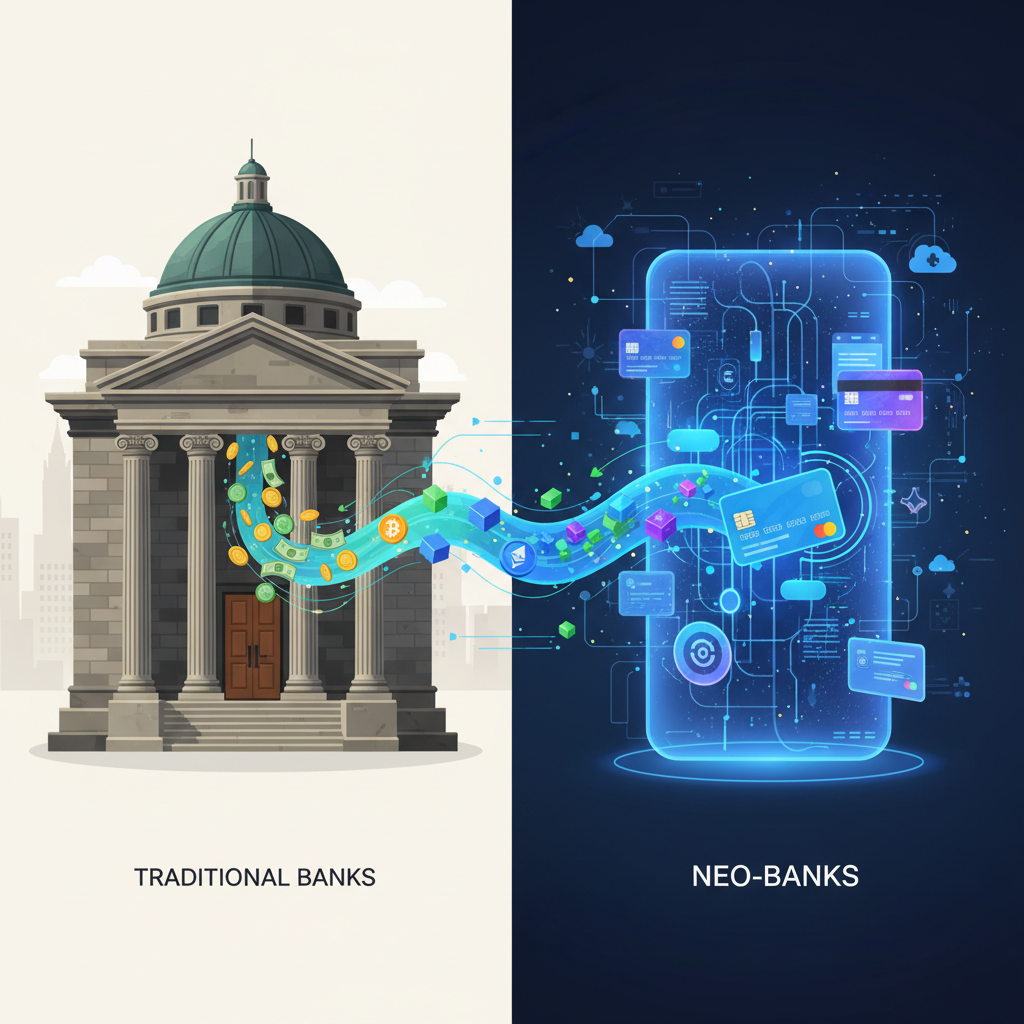
The emergence of Web3 has revolutionized the way businesses interact with financial services. Traditional banking structures have struggled to keep up with the needs of this decentralized, blockchain-driven economy. This guide explores the best banking for Web3, focusing on how modern neo-banks like OneSafe cater to the unique requirements of Web3 enterprises with features such as multi-currency accounts, global payments solutions, and corporate cards. As digital finance grows, understanding these offerings can empower entrepreneurs to build and manage successful Web3 ventures.
Defining Web3 and Its Economic Implications
What is Web3?
Web3 is the next generation of the internet, characterized by decentralized protocols, blockchain technology, and user ownership of data. Unlike its predecessor, Web2, which centralized content and applications through various platforms, Web3 aims to create an open and interoperable digital environment where users control their assets and identity.
The Shift from Web2 to Web3
The transition from Web2 to Web3 involves significant changes in how businesses operate. In Web2, companies benefited from locked-in user bases and targeted advertising. Conversely, Web3 promotes peer-to-peer interactions and economic systems based on tokens and decentralized finance (DeFi), necessitating new financial services that can accommodate this shift.
How Web3 Changes Banking Needs
The decentralized nature of Web3 requires financial services that prioritize security, speed, and flexibility. Businesses now seek banking solutions that support cryptocurrency transactions, multi-currency accounts, and easy integration with blockchain applications. The need for innovative banking approaches is underscored by the prevalence of decentralized autonomous organizations (DAOs) and other blockchain-native companies.
Key Features of Neo-Banking for Web3

Streamlined Onboarding Process
Neo-banks like OneSafe simplify the onboarding process using digital platforms, eliminating the bureaucratic hurdles associated with traditional banks. OneSafe offers instant account set-up, verification with digital identity solutions, and tailored services for crypto businesses.
Global Payments Solutions
Global payments are a vital feature for Web3 businesses that operate across borders. Neo-banks provide seamless integration with cryptocurrency networks, allowing instant transfers with lower fees compared to traditional banks. This capability is crucial for businesses engaging with international clients and partners.
Corporate Cards and Decentralized Management
Corporate cards enable businesses to manage expenses more effectively. Neo-banks issue cards linked to multi-currency accounts, permitting easy conversion between assets. This flexibility empowers companies to navigate fluctuating crypto markets and manage digital spending efficiently.
Core Concepts and Terminology
Hybrid Banks vs. Traditional Banks vs. Pure Crypto Exchanges
Hybrid banks combine traditional banking services with cryptocurrency support, offering a balanced approach. Traditional banks often lack the flexibility in handling crypto, while pure crypto exchanges focus solely on digital assets without providing comprehensive banking solutions.
Understanding Multi-Currency Support
Multi-currency accounts allow businesses to hold and transact in various currencies, including cryptocurrencies and fiat. This feature reduces conversion losses and provides significant operational efficiency for international transactions.
Fees and Costs Explained
Understanding fees is crucial when selecting a banking partner. Neo-banks usually offer lower fees than traditional banks, especially regarding international transfers and currency conversions. It's essential to conduct a thorough comparison of fee structures across different platforms.
Evaluating Banking Options for Web3
Criteria for Selecting a Banking Partner
Potential Web3 businesses should consider criteria like regulatory compliance, ease of integration with digital banking tools, customer support, and available features tailored for crypto transactions. Extensive research and comparison will yield the best results.
Real-World Use Cases of Neo-Banks in Web3
Businesses are increasingly using neo-banking services for various functions, from paying suppliers in multiple currencies using platforms like OneSafe to engaging in automated treasury management. These practical applications reduce operational risks and enhance business agility.
Expert Reviews and Comparisons
Before selecting a banking partner, exploring expert reviews and insights can provide valuable perspectives on the strengths and weaknesses of various neo-banks. Platforms like Coin Bureau offer comprehensive banking reviews that can guide business decisions.
Challenges and Considerations in Web3 Banking
Security Concerns and Best Practices
Web3 businesses must emphasize security given the high value of digital assets. Using feature-rich banking services that offer robust security protocols, including two-factor authentication and encryption, is essential to safeguarding accounts.
Myths vs. Facts About Crypto-Friendly Banks
Many misconceptions exist regarding the reliability and legality of crypto-friendly banks. For instance, some believe they are unregulated; however, established institutions are increasingly subject to oversight. Always verify a bank's compliance with regulations as mandated by governing authorities.
Regulatory Landscape for Web3 Businesses
The regulatory environment is critical for Web3 banking, as emerging regulations can impact how companies operate. Compliance with local and international laws ensures sustainability and can protect businesses from potential legal issues.
Practical Steps for Implementation
Setting Up Your Banking Structure
To set up an effective banking structure, businesses should assess their financial needs and regulatory obligations. This involves choosing a neo-bank that aligns with their operational strategies and offers features like multi-currency support and global payments.
Integrating Banking with Web3 Tools and Platforms
Integrating banking solutions with current Web3 technologies—including wallets, smart contracts, and DeFi platforms—ensures that businesses can operate fluidly in the decentralized landscape. Web3 banking tools should seamlessly align with existing technology stacks.
Monitoring and Adapting Your Strategy
Regularly evaluate banking strategies and tools to ensure they align with evolving business needs. Engaging with financial analytics tools or platforms can provide insights, enabling better financial decision-making in the rapidly changing Web3 landscape.
Common Mistakes to Avoid
Overlooking Compliance Requirements
A frequent mistake is neglecting compliance with regulatory mandates. Companies must familiarize themselves with local regulations governing cryptocurrency and banking to avoid fines or operational disruptions.
Neglecting Security Measures
Another common error is underestimating the importance of security protocols. Focus on using banks that prioritize secure transactions and data protection to minimize risks associated with digital asset management.
Choosing Based on Price Alone
While cost is an important consideration, it should not be the sole factor in selecting a banking provider. Evaluate other aspects, such as service quality and support, to ensure comprehensive banking solutions meet all business objectives.
Future Directions in Web3 Banking
Emerging Trends in Neo-Banking
The evolution of Web3 is fostering innovative banking solutions. Features like AI-driven financial analytics and integrated stablecoin payment systems are increasingly becoming commonplace in neo-banks, facilitating real-time financial decision-making.
The Role of AI and Blockchain in Banking Innovation
Artificial Intelligence (AI) enhances risk assessment and fraud detection capabilities, while blockchain technology improves payment efficiency and transparency. These innovations are paving the way for more robust and scalable banking solutions.
Predictions for Web3 Financial Infrastructure
As Web3 continues to mature, the financial infrastructure will integrate further with traditional systems. Entities like Silicon Valley Bank anticipate more widespread adoption of digital assets, leading to a more seamless interaction between traditional finance and Web3 services. This evolution suggests continuous transformations in how individuals and businesses engage with financial services.
What are the key features to look for in a bank for Web3?
When selecting a bank for Web3, focus on features such as robust security measures, competitive fees, multi-currency support, global payment capabilities, and a straightforward onboarding process. Banks should also provide customer support familiar with the crypto landscape.
How does neo-banking differ for crypto businesses?
Neo-banking for crypto businesses often provides tailored services not found in traditional banks, such as support for crypto transactions, decentralized management features, and integrated corporate cards designed for rapid crypto-to-fiat conversions.
What are the benefits of using a multi-currency account?
Multi-currency accounts offer benefits like reducing conversion losses, enabling smooth global transactions, and providing financial flexibility for businesses operating in diverse markets. This feature is especially beneficial for Web3 companies engaging with international clients.
How do global payments work in a Web3 context?
Global payments in Web3 utilize decentralized networks for instant transfers across borders at reduced costs. Neo-banks facilitate these transactions by integrating cryptocurrencies into their payment platforms, streamlining the process and enabling real-time settlements.
What security measures should I consider in Web3 banking?
When considering security in Web3 banking, prioritize features like two-factor authentication, end-to-end encryption, and robust fraud detection systems. Ensuring that your chosen bank follows best practices in cybersecurity is vital for protecting digital assets.
What common mistakes do businesses make when choosing Web3 banking?
Common mistakes include neglecting compliance with local regulations, underestimating the importance of security protocols, and choosing financial partners based solely on cost. Businesses should have a holistic approach to their evaluation.
What role does regulation play in Web3 banking?
Regulation plays a crucial role in the credibility and longevity of Web3 banking solutions. Regulatory compliance ensures that banking services operate within the law, protecting clients and maintaining the integrity of the financial system.
How to integrate banking solutions with Web3 technology?
Integrating banking solutions with Web3 technology involves aligning chosen banking services with existing platforms and tools. Ensure compatibility by using APIs and seamless interactions between banking systems and Web3 tools for effective financial management.
In summary, modern banking solutions are evolving rapidly to meet the demands of the Web3 economy. By considering the specific features and evaluating various options, businesses can position themselves for success in this transformative financial landscape, harnessing the power of neo-banking to thrive in a decentralized world. For more insights into the future of finance, check out What is Global Finance? A Definitive Guide and Understanding Payments in Neo-Banking. For a deep dive into the world of crypto banking and the financial services for DAOs, visit Crypto Banking Software Solution to Launch Your Crypto Banking App.